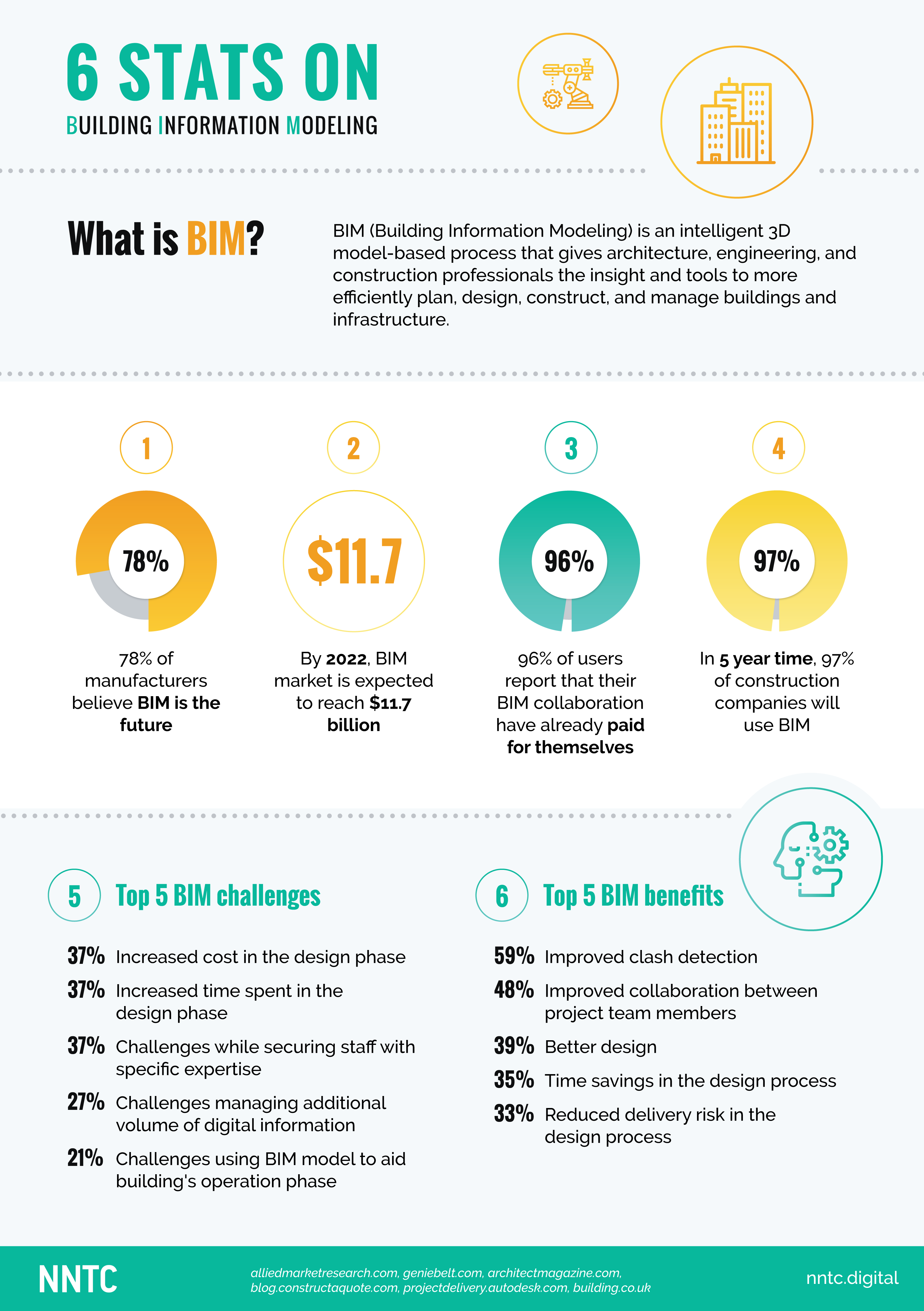
6 STATS ON BUILDING INFORMATION MODELING


Document submission and processing have always entailed filling heaps of forms, sending scans, and numerous data checks and re-checks – something that requires much time and effort until you opt for OCR-powered AI.
OCR stands for Optical Character Recognition technology that detects an image, breaks it into fields, scans them, and automatically transfers data to respective forms (agreements, applications, CRM bases, etc.).
Imagine that you want to travel abroad. No more long and tedious communication with a travel agent, no more visa applications to fill in, and no more fear of making a mistake and spoiling a form — just scan your passport with OCR, and all your further applications will be automatically populated with necessary data. This technology adopted by major corporations and government agencies can reduce paperwork and alleviate customer stress.
OCR is also used to:
However, the system is not ideal yet, and Dbrain, the technology developer, admits text recognition errors to be its greatest shortcoming, especially when processing photos with sharp folds, or those affected by backlights, or taken by a low-class phone. To solve the problem, Dbrain added two functions to the OCR technology.
Users should not worry about their personal data confidentiality, since Dbrain assures personal data to be transmitted in an anonymized form. The algorithm blurs an image and breaks user’s passport into several fields on the client side, with information coming to Dbrain servers in an anonymized form, thus preventing from field-to-person match. Fields are recognized independently from each other and transmitted to a client in an encrypted form over HTTPS, all in less than a second.
There is a good reason for experts to appreciate the integration of BIM into building management systems. Statistics speak louder than words: almost 30% fewer collisions, costs cut in half, 90% faster reporting on analytical data, with overall project cost savings reaching 50%. So what is BIM and why does it really pay to use it?
To come to the point, let’s dive deep into its main components. Building management stands on three pillars: BMS, FM, and BIM.
BMS means an automated Building Management System that has already been used by the owners of real estate, especially malls, hotels and business centers, as smart resource management helps them reduce building maintenance costs by 30%. BMS can detect certain situations inside a building and respond accordingly in line with prescribed algorithms by regulating temperature, ventilation, water supply, lighting, or turning systems on and off.
FM – Facility Management – is a concept to manage auxiliary indoor resources and processes that do not relate to the site’s primary function, like a ticket system that automatically generates maintenance and repair assignments. FM is primarily designed to:
Thanks to electronic document management based on FM, an owner and maintenance team can check consolidated statistics on all financial expenses: maintenance, repairs, property rental management, and service.
BIM – Building Information Modeling – is a technology to create an interactive and truly precise 3D model of a facility.
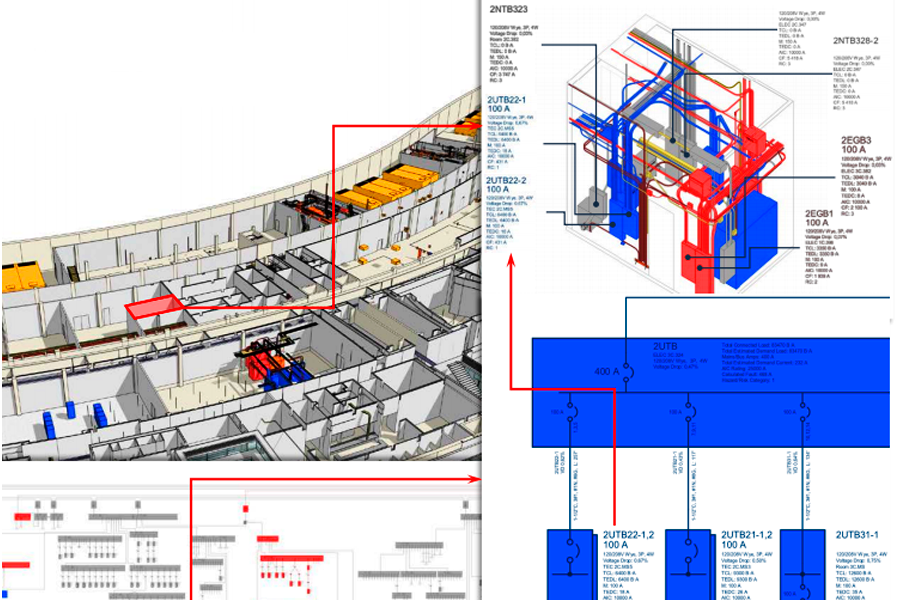
At the design stage, BIM streamlines both time management and drafting of construction cost estimate. Such a 3D model includes all engineering systems, and a change in one element automatically updates the entire model, including drawings, visualization, and work schedule.
Think of the opportunities that BIM offers in the long run! All three systems – BMS, FM and BIM – integrated via a smart app will make it possible to exchange data in real time (sensor readings, engineering systems’ status or failures). On the one hand, the application and the BMS are interconnected, and on the other, simulated scenarios are applied to process the building information model in a certain way.

Let’s take a closer look. For example, a clogged air filter alerts BMS, with the faulty unit being highlighted on the 3D model. An operator accurately locates the trouble and gets all the necessary information to fix it, like the model of faulty equipment, adjacent communications, etc. — something that helps drastically optimize both incidental expenses on eliminating emergency and labor efforts of administrative staff. This is particularly the case for operation of high-rise buildings or those with a complicated layout.
Preset scenario can concern any event requiring attention of security service: the current state of equipment (on / off), real-life sensor readings (temperature, pressure, etc.). A certain setting can display all these parameters on a BIM model, thus transforming this digital twin into an interactive model displaying real-life parameters of the facility systems.
If you need to repair equipment being in a hard-to-reach place or covered by engineering structures, a BIM model will show you its exact location, a particular spot to break through the wall or where to dismantle barriers.Thus, by combining BIM, BMS and FM into a single interactive building management model, real estate developers and property owners enjoy cost-effective maintenance and emergency mitigation, save vast sums of money and keep their nerves.

Museums are providing increasingly interactive and personalized experience to attract digitally oriented visitors. Simply looking at an exhibit is no longer enough as today’s guests want to interact with the exhibit, watch it closely and at different angles, as well as learn more about its historical context. IT augments traditional expo formats with a brand-new museum space.
QR and bar codes
The easiest way to digitalize an exhibit and make museum environment more interactive is to add a QR code containing extra multimedia content, such as landings, videos, images and audios, which are however for information purposes only and don’t boost visitor involvement. The solution coverage is rather difficult to predict.
Navigation apps
Navigation via a mobile app using Bluetooth beacons installed throughout a museum allows visitors to arrange a tour all by themselves, easily navigate and quickly find halls and exhibits desired. While a visitor is moving from one exhibit to another, whether randomly or along a predefined route, the app tracks his/her movement and automatically provides information about exhibits being closest to the visitor.
Augmented reality and holography
Augmented reality and holography successfully bring exhibits in the user’s world. The Smithsonian National Museum of Natural History leveraged this solution to demonstrate the Earth in the Jurassic period. The eye-catching show was powered by Broadcast AR and unveiled the life of holographic dinos going along an enclosure and interacting with spectators and each other. The system operation is of no secret: An individual approaches a special system of video cameras capturing all his/her movements and a large screen demonstrating the show. Thus, a visitor gets immersed into the plot and can be either observer or a character.
Virtual reality
Virtual reality is an ideal message-sending tool for museums as VR technologies impact multiple senses and generate a brand-new experience. The key to success here is our brain that believes everything it sees, thus reproducing sensory feelings accordingly. This turns museums into a dynamic, almost-real and interactive space.
Our partners have completed a similar project for the State Hermitage Museum, accurately simulating its Jupiter Hall in virtual reality. As a result, people can now watch any sculpture at all angles, see all the exhibits and “visit” the museum even when living in a different city. This digital cultural heritage approach is gaining momentum among museums. (To learn more, read the blog about the project )
Biometrics
Although biometrics technology is still on its way to museum space, it has great potential here. In 2015, the technology was tested by FST Biometrics in the ICER (Industry, Culture, Education and Recreation) Innovation Center, Denmark. A visitor checks in via a terminal at the entrance, with user’s name and biometric data being saved in a database. Throughout the tour, the system addresses users by their names and provides exhibition details.
“Museum tour format has already changed. To attract and retain the audience, today’s museums have to revise their approach and move from a traditional place where collections live to an interactive technological cultural center,” said Pavel Tatarintsev, NNTC expert.
The year of 2018 brought us many AI discoveries. Let’s recall the most remarkable events of the expiring year and think about near-term prospects.
A neural network passed a reading comprehension dataset better than a human
An experiment held in January 2018 demonstrated the apex of AI evolution over the recent years. A neural network passed the Stanford Question Answering Dataset (SQuAD) containing 100,000 questions and deemed one of the most difficult cognitive data processing tests. AI gave 82.6% of correct answers, thus exceeding the best human result by 0.3%.
Investments in robotic business process automation
Investors are paying more and more attention to digital workers. In early March, UiPath, an RPA startup, raised 120 million dollars. According to Deloitte, the number of RPA projects will grow by 70% in the next two years due to their practical value and quick payback. Robots save a lot of business hours by optimizing routine processes and releasing people from tedious operations: they populate customer bases, process simple transactions, and answer easy technical support requests. The UAE also invested heavily in technology for improved government service delivery, and recently created the position of Minister of AI. The British University in Dubai launched the first Bachelor Degree in Artificial Intelligence, which tends to prepare more specialists who will work in the field of AI.
AI ethics committee
In 2018, large companies established new unconventional units called AI ethics committees. The initiative was supported by Microsoft, Facebook, Google, and SAP. These committees are to reduce risks of losing jobs by many employees after robot implementation, prevent the aggravation of economic inequality between robotized and not-yet-robotized companies, and develop generally accepted AI operation standards to avoid potential race or gender discrimination associated with the use of AI. The companies decided to make AI operation more transparent to people, exercise even stricter control over security standard compliance, and protect personal data better.
In 2018, Smart Dubai created Ethical AI Toolkit, which provides advice to individuals and organizations offering AI services. Smart Dubai has also launched AI Ethics Self-Assessment Tool – it aims to help AI developers and operators evaluate the ethical level of their AI system. Smart Dubai also plans to start discussions between companies in Dubai to form a unified understanding and reach common agreement on becoming more responsible on the use of AI.
AI can now memorize and recognize
It has finally happened: neural network has learned to memorize and recognize objects under different conditions: environments, viewing angles, and lighting. Thus, for example, a cactus seen by an AI in a desert will be easily recognized in a flowerpot on your window sill. Conventional neural networks cannot learn something new, while keeping old data. In 2018, AI was finally cured of its fatal forgetfulness.
Boston Dynamics anthropomorphic robots
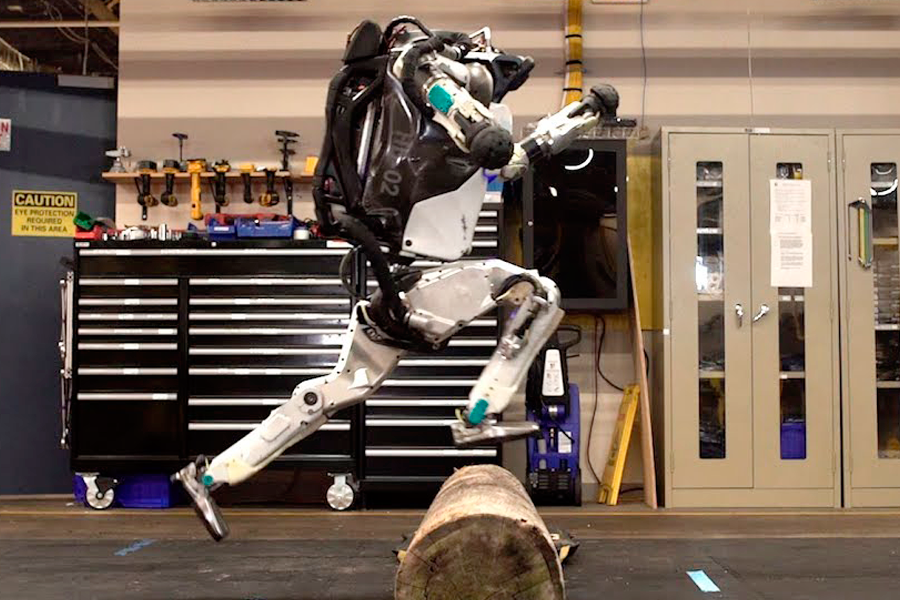
Boston Dynamics robots have learned to run and jump over obstacles. Thanks to special software, they process videos in real time and keep balance with torso and limb movements. These robots can do somersault, stand on one leg, and run across any surface, be it asphalt, sand, or snow. In the nearest future, they will be able to replace people at hazardous enterprises or act as emergency rescuers.
Disease diagnostics and prediction
According to November announcement, AI can now predict Alzheimer disease at early stage by analyzing the tiniest changes in brain tissues. It appears that AI can identify symptoms six years earlier than a professional radiologist, thus giving doctors a chance to slow down or even stop the progress of disease. AI also helps detect clinical depression signs, diagnoses fractures, and estimates the probability of breast cancer or obesity.
Do you trust AI?
A study of how much (or little) humans trust AI was conducted in the very end of 2018. Scientists used machine learning algorithms to analyze interviewees’ psychophysiological indicators, such as heartbeat and electroencephalograms. Interviewees chose situations when they were ready to entrust themselves to a robot and when they, vice versa, preferred to take responsibility. Today, one human mainly interacts with one robot, while in the future people will have to coordinate their work with groups of robots, which will require higher level of trust to AI.
We believe in breakthrough development of AI-powered and virtual assistants in 2019. Dubai already got an AI-powered smart city advisor ‘Rashid’ this year, which responds to all user queries in Arabic and English, and can be activated using voice commands. AI has learned to solve problems of more complicated nature and interpret and memorize data better, thus allowing companies to embed AI in more processes. It is quite possible that, in 2019, AI will hold phone conversations with customers and AI developers will be in great demand.
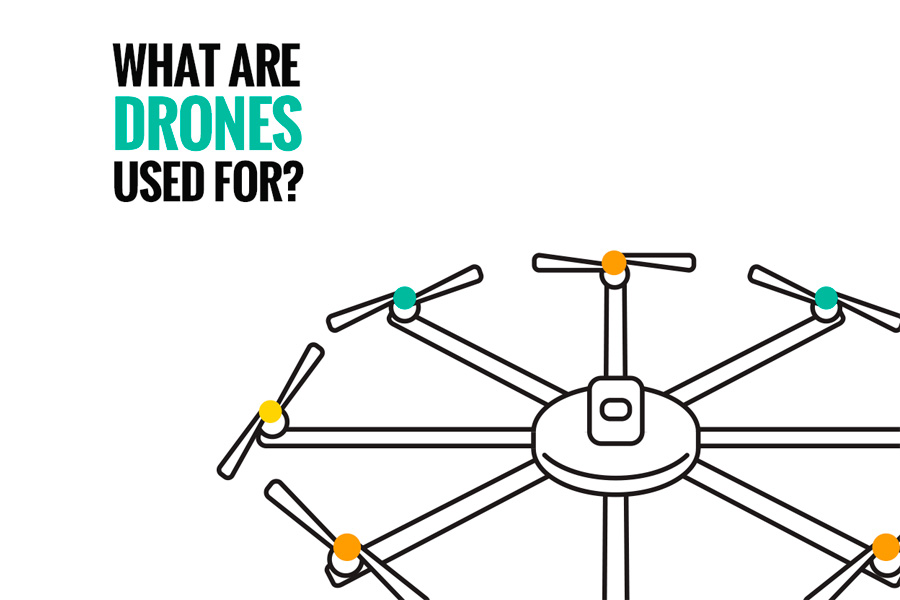
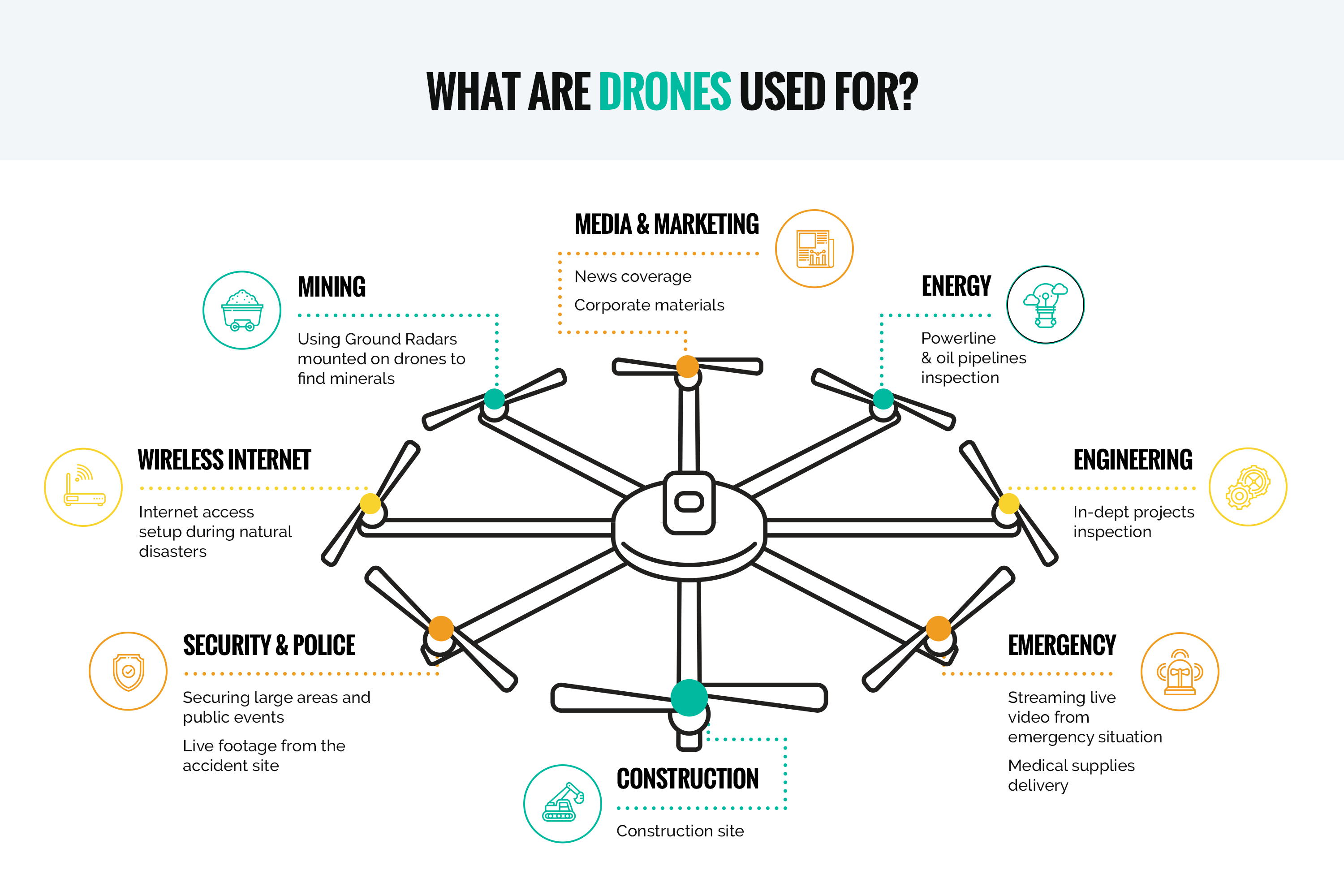
The drone industry is growing rapidly and new implementation ideas are out every day. See which industries have successfully implemented drone solutions in their processes
Dubai is a fast-growing city, with the government planning to invest some $7 billion in the municipal infrastructure in 2019. In the course of intensive preparations for 2020, Dubai faces an ever-increasing number of infrastructure projects. With high demand for accommodation and jobs in Dubai, both real estate developers and agencies are vigorously competing to win new clients. This post is about an innovative solution for real estate developers to improve their competitive edge.
Sometimes, we do not even realize how the tiniest details can be critical for the overall success. This is especially true for cutting-edge technology since many businesses still consider innovations as a hobby of geek scientists, while high-tech solutions ceased to be tycoons’ toys or science fiction very long ago. For example, a hologram table, an affordable and effective presentation tool, has been commercially available for three years already.
What is a hologram table?
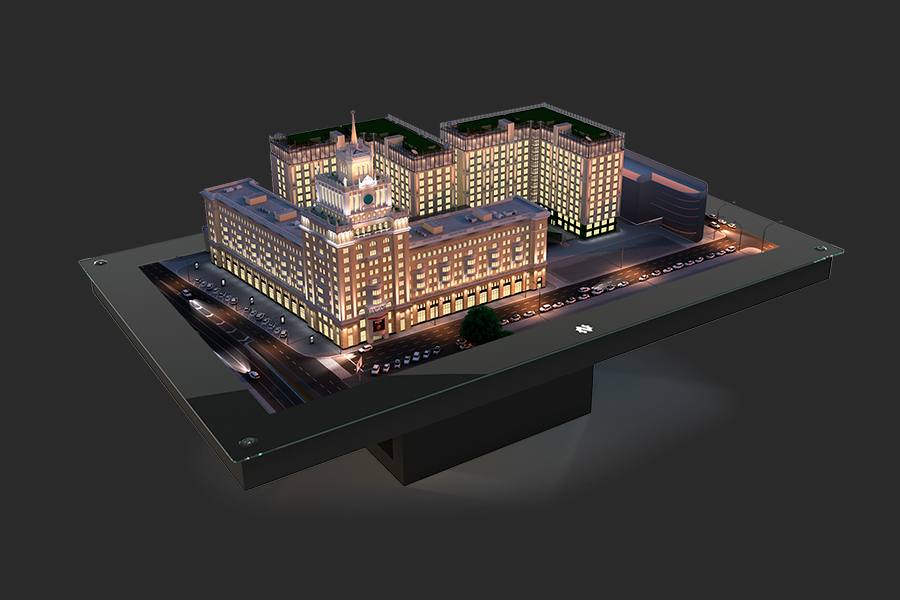
This is a table with a holographic panel displaying a precise 3D model of buildings or campuses. The technology users can interact with the content, get immersed into the design and focus on critical details: turn, zoom in or out, ‘take off’ the roof and look at floor and room layouts, see how future residents will park their cars in the underground parking lot, and enjoy a bird’s-eye view of their entire district.
Why not traditional mock-up?
WOW effect
Hologram table is a good way to achieve wow effect. It attracts many people and looks great compared to conventional mock-ups.
In 2016, our customer, a large real estate development company in GCC, was one of the first industry players to showcase their projects on a hologram table. During an industry trade show, visitors got immersed into augmented reality to scrutinize both interior and exterior of villas in a new elite district being still under design. Actually, the customer couldn’t get prepared for the trade show on time, but our international team of 3D developers helped it to meet the deadlines by completing the task within just two weeks.
The fastest always wins
Being fast is a key to success in a competitive battle. How to measure the speed when it comes to expos? Let’s take the number of projects showcased in a certain period as a reference, and you’ll see how a hologram table makes the difference. It can download several models in a few seconds and demonstrate a company’s entire portfolio by switching between different 3D models.
Visibility
Unlike traditional mock-ups, a 3D model is of interactive nature (a hologram table speeds up a consultation by up to 10-30 minutes). 3D models can show construction sites and their environment in a precise and realistic manner, while also integrating various scenarios to be played back. The model demonstrates all project aspects and provides the customer with a big comprehensive picture detailed down to a particular spare part laying on the table in the factory shop.
Scale
The solution can display designs of any scale, from a single facility to the entire district, making it possible to zoom in and out various structures and cover much more project details during the presentation. Unlike traditional mock-ups, a hologram table can accommodate both a building and entire city.
You are welcome to get a look at and feel for the technology in our NNTC office where we have already installed a hologram table and uploaded various designs provided by our vendor NettleBox.

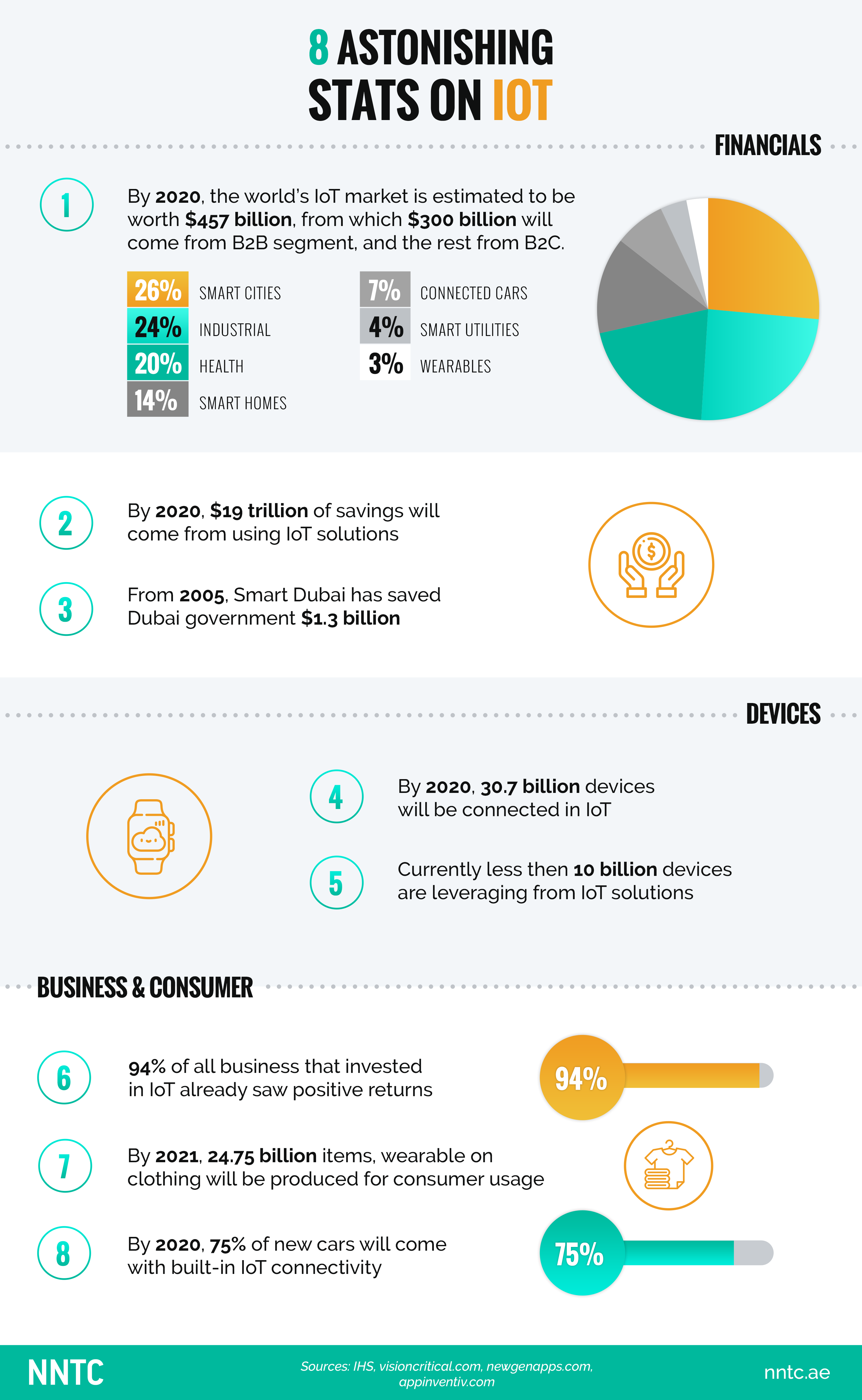
IoT technology is bound to change the world as we know it by increasing our health and safety, along with optimizing world’s resources and efficiency. See our 8 amazing facts on IoT!
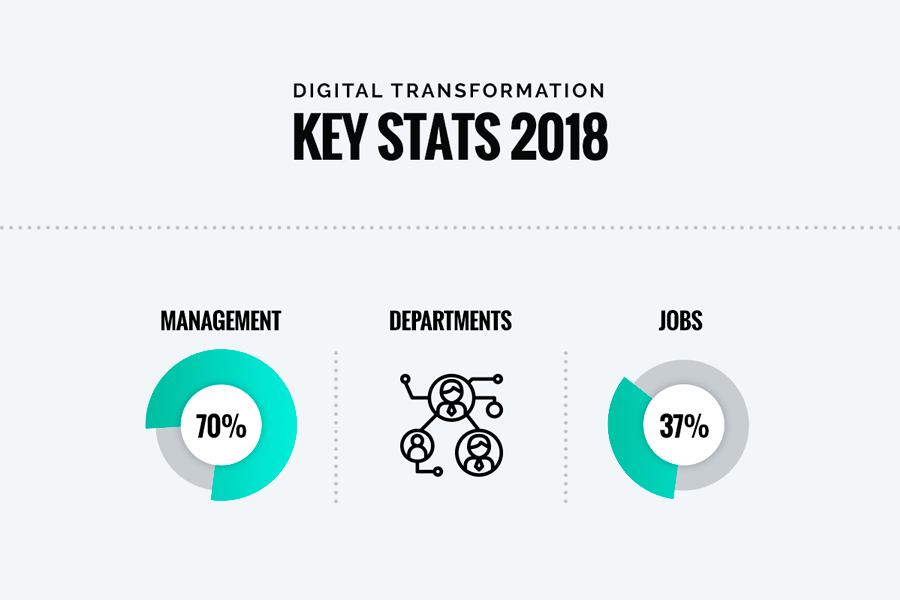
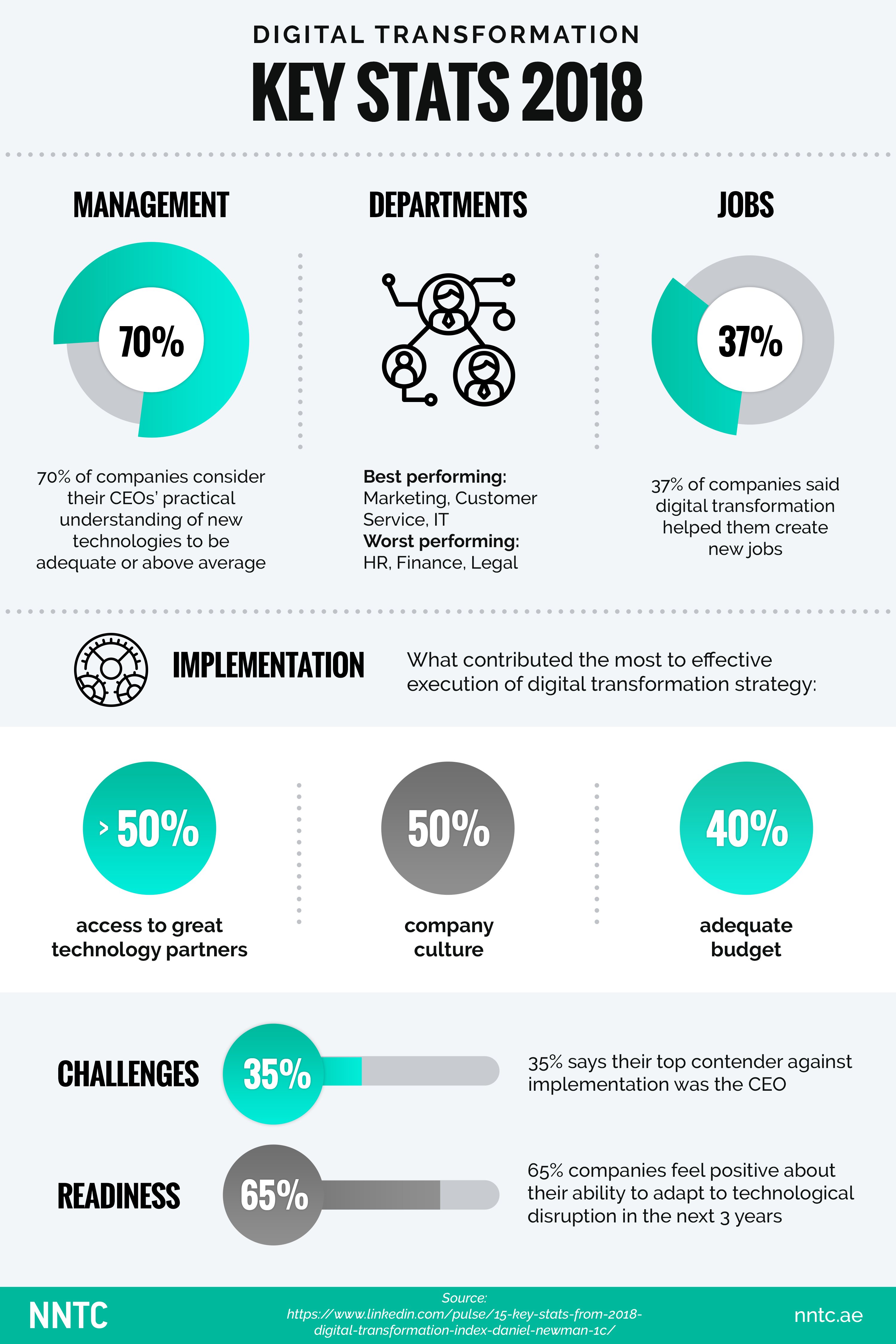
Digital transformation is not only a technological shift, but a complete integration of digital technology in all areas of business. See our key stats for the 2018 and get inspired for the near, tech future of your business.

Video Analytics Myths, or Big Brother Is Watching You
Face recognition, one of the most demanded and flexible technologies, is gradually conquering more and more industries and entering your life, even if you don’t see it. As far as video analytics gains momentum, the true outbreak of superstitions, doubts, and myths makes the technology look rather controversial to laypersons. In this post, we’ll try to dispel some video analytics myths and answer some pertinent and compelling questions.Many of our customers worry that face recognition technology can be biased or prone to critical errors or can collect personal information. To confirm their concerns, they give examples of the technology misuse or software bugs. This post is to dispel the most persisting myths and evaluate actual risk.
Myth 1. Video analytics cannot be effective in a multinational country
What they say: The face recognition system cannot perform with the same efficiency when capturing people of different ethnic groups, which automatically renders it useless in multinational countries.What the facts say: The face recognition system, like any other artificial intelligence, needs learning. The more people pass through the system, the better it will identify key parameters. This is the responsibility of software developers whose carelessness aggravated by an undue rush may lead to conflicts detrimental to both company reputation and technology image.
Myth 2. Video analytics may discredit an honest person
What they say: The face recognition system may erroneously perceive an ordinary shop visitor as a criminal and make him/her suffer from consequences. That is why we may not rely on the technology in such critical matters!
What the facts say: Too often, these incidents are caused by the technology misuse by people installing and configuring the video surveillance systems. Here are key contributors to correct video analytics:
Myth 3. Cheating video analytics is easy
What they say: A violator can “deceive” a security system by putting on glasses, cultivating or shaving a beard, or hiding his/her face under a headband or hood. In real life, the system will fail to respond timely and recognize a violator.
What the facts say: Face recognition uses neural networks analyzing 54 points on a human face. The system will recognize a violator with up to 75% of his/her face covered, so that the presence or absence of a beard and dark glasses will not deceive it. Moreover, once the suspect is recognized, the system alerts security officers automatically, thus prevailing over ordinary surveillance systems in terms of both speed and reliability.
Myth 4. Using video analytics technology is something illegal
What they say: I am afraid that my employees or visitors will accuse me of invading their privacy or violating any rights. I don’t want they think of me as Big Brother controlling all aspects of their lives.
What the facts say: The face recognition technology does not invade people privacy. Using video analytics is permitted by law to ensure public safety, thus not violating but protecting rights of right-minded people. When integrating video analytics with customer servicing, you improve you service quality and convey personal message to every customer, just like Internet targeted ads work, but right here and now.
The video analytics technology employing AI, neural networks, and software code is nothing more than a basis which can be tailored to any business specifics and needs. Correct and ethical use of this technology is the responsibility of implementing companies, developers, and those who teach AIs. Face recognition is neither biased nor unfair technology in itself, and incidents are often due to its improper implementations or misconfiguration.
