IoT Systems Integration in Industrial Metaverse Solutions

IoT Systems Integration in Industrial Metaverse Solutions

A New Era of Smart Infrastructure Management with Industrial Metaverse Solutions

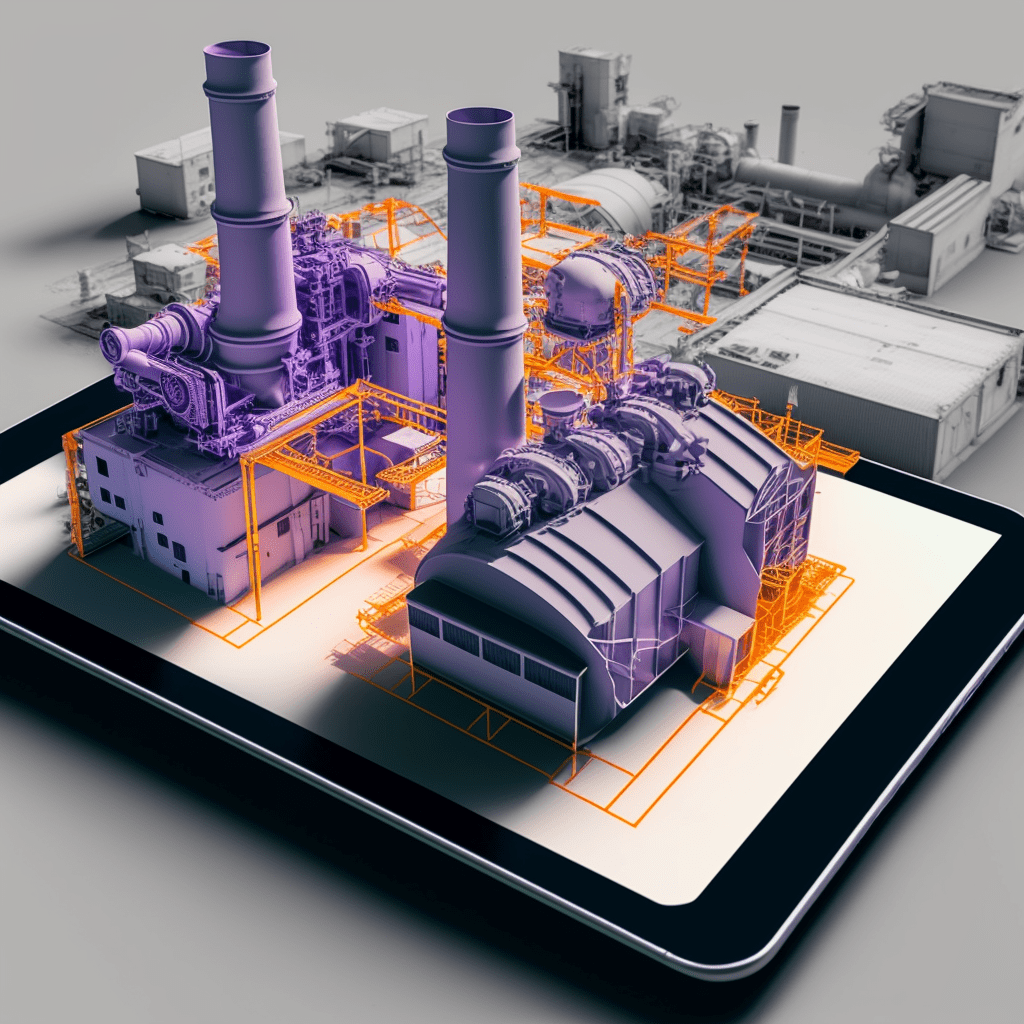
In today’s rapidly-evolving digital landscape, there is a growing demand for innovative solutions that can optimize infrastructure management, increase efficiency, and reduce costs. One emerging technology that holds significant promise in this area is Industrial Metaverse, a virtual replica of a physical asset that can be used to monitor, analyze, and optimize its performance. While Industrial Metaverse have been around for some time, the integration of IoT systems is taking this technology to a whole new level. By leveraging IoT sensors and devices, Industrial Metaverse can capture real-time data about a physical asset’s performance, enabling advanced analytics and predictive maintenance.

Daniil Gudkov,
Technology expert | Industrial Metaverse
Book consultation

IoT systems integration in Industrial Metaverse solutions allows for a comprehensive, real-time view of an asset’s performance. By combining data from multiple sources, including sensors, machine learning algorithms, and predictive analytics, organizations can gain a deeper understanding of their infrastructure, and make informed decisions that can drive efficiency, cost savings, and operational improvements.

For example, in the field of smart buildings, Industrial Metaverse solutions can help building owners and operators optimize energy consumption, reduce maintenance costs, and improve occupant comfort. By integrating IoT sensors and devices, building management systems can collect data on factors like temperature, humidity, air quality, and occupancy, allowing for real-time monitoring and optimization of building performance.

Similarly, in the field of smart manufacturing, Industrial Metaverse solutions can help improve production efficiency, reduce downtime, and optimize maintenance schedules. By integrating IoT sensors and devices, manufacturers can capture real-time data on equipment performance, and use this data to predict and prevent failures, and optimize production processes.

The benefits of IoT systems integration in Industrial Metaverse solutions are clear. By combining the power of Industrial Metaverse with the insights generated by IoT devices, organizations can gain a comprehensive, real-time view of their infrastructure, and make data-driven decisions that drive operational efficiency, cost savings, and performance improvements.

As the IoT continues to evolve, and Industrial Metaverse technology becomes more sophisticated, we can expect to see even more innovative applications of this powerful combination. From smart cities to transportation, healthcare, and beyond, IoT systems integration in Industrial Metaverse solutions is paving the way for a new era of smart infrastructure management.

Are you ready to take advantage of the power of digital twins and IoT systems integration? Contact us today to learn more about how our innovative solutions can help you optimize your infrastructure, reduce costs, and drive performance improvements.

Read more

Metaverse: a new level of digital transformation for industrial companies

The world of industrial business has always been a complex and challenging one, with a multitude of factors to consider when making critical decisions that can impact the bottom line. However, with the rise of digital twins and the industrial metaverse, businesses in this sector now have access to powerful tools that can help them optimize their operations and achieve greater efficiency than ever before.

Daniil Gudkov,
Technology expert | Industrial Metaverse
Book consultation

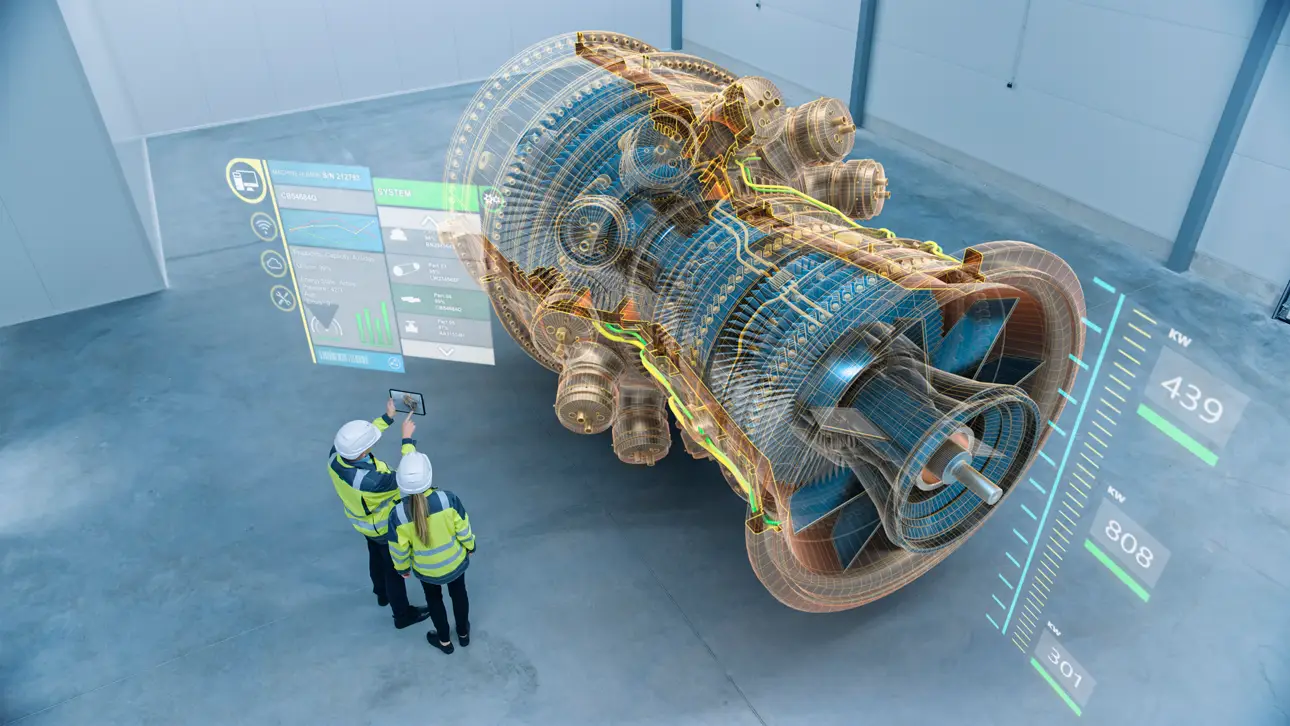
Digital twins are virtual replicas of physical objects or systems, created using real-world data and advanced modeling and simulation software. These digital twins can be used to analyze and optimize the performance of complex industrial systems, allowing businesses to identify inefficiencies, reduce downtime, and ultimately save money.

However, digital twins are just the beginning. The industrial metaverse takes things to the next level, by creating a virtual representation of an entire industrial system, including its components, processes, and workflows. This virtual environment can be used to simulate and optimize every aspect of an industrial operation, from the manufacturing process to supply chain logistics.

The benefits of the industrial metaverse are numerous. By creating a virtual environment that accurately reflects the real-world conditions of an industrial system, businesses can use the metaverse to test different scenarios and identify potential problems before they occur in the real world. This can help to reduce downtime and minimize the risk of costly errors and accidents.

In addition, the industrial metaverse can be used to create immersive training experiences for employees, allowing them to learn how to operate complex industrial systems in a safe and controlled environment. This can help to improve safety and efficiency, while also reducing training costs and minimizing the risk of accidents.

Ultimately, the industrial metaverse has the potential to transform the way that businesses in this sector operate, by providing them with powerful tools for optimization, analysis, and simulation. By leveraging the power of digital twins and the industrial metaverse, businesses can achieve greater efficiency, reduce downtime, improve safety, and ultimately save money. As this technology continues to evolve, it will be fascinating to see how businesses in the industrial sector use it to transform their operations and stay ahead of the curve.

Read more

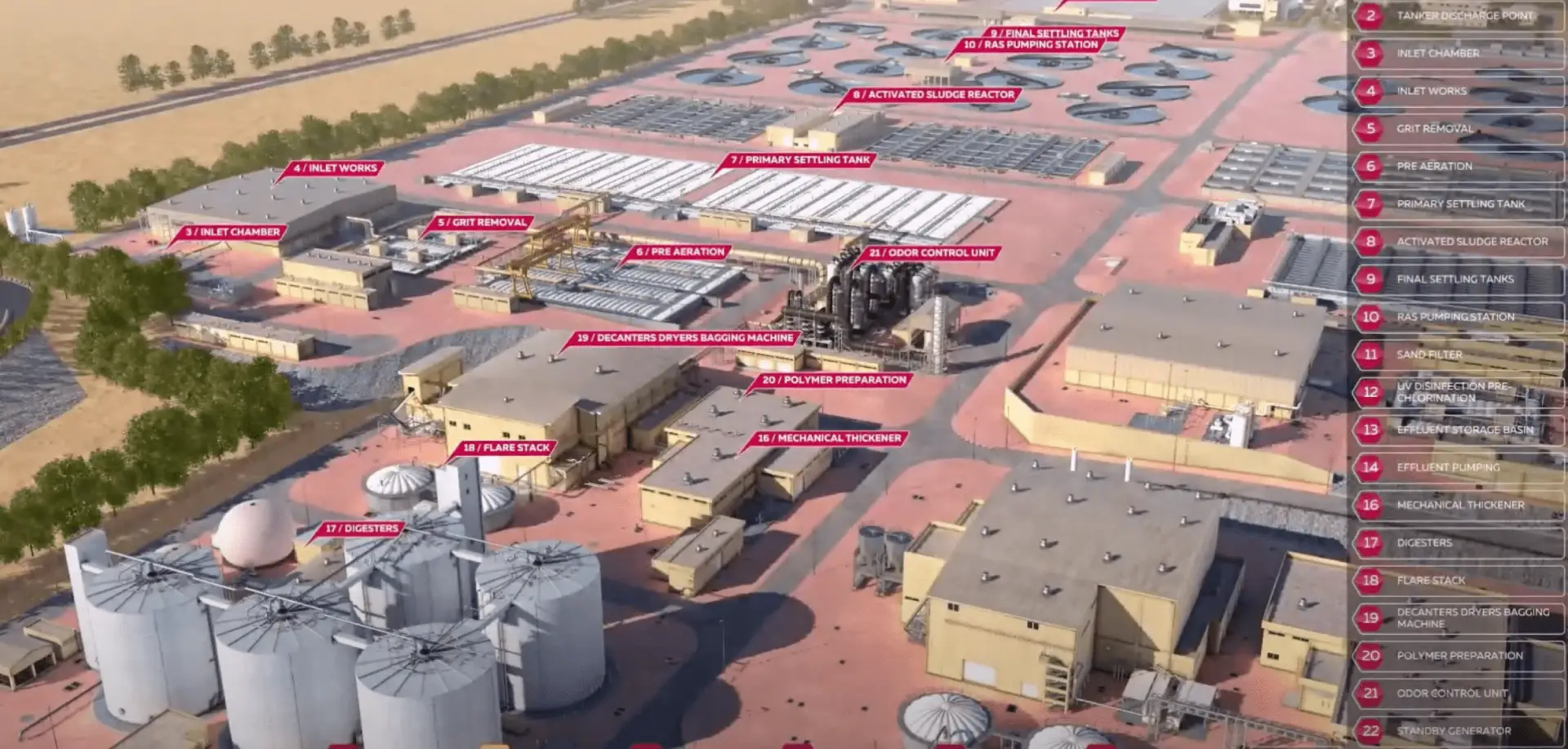
A stitch in time saves nine. VR training to raise the water treatment company’s effectiveness and safety

water-treatment-VR-training

Minimize human errors by practicing scheduled maintenance and emergency activities in a safe environment of VR training.

Why VR trainings are effective for water treatment companies?

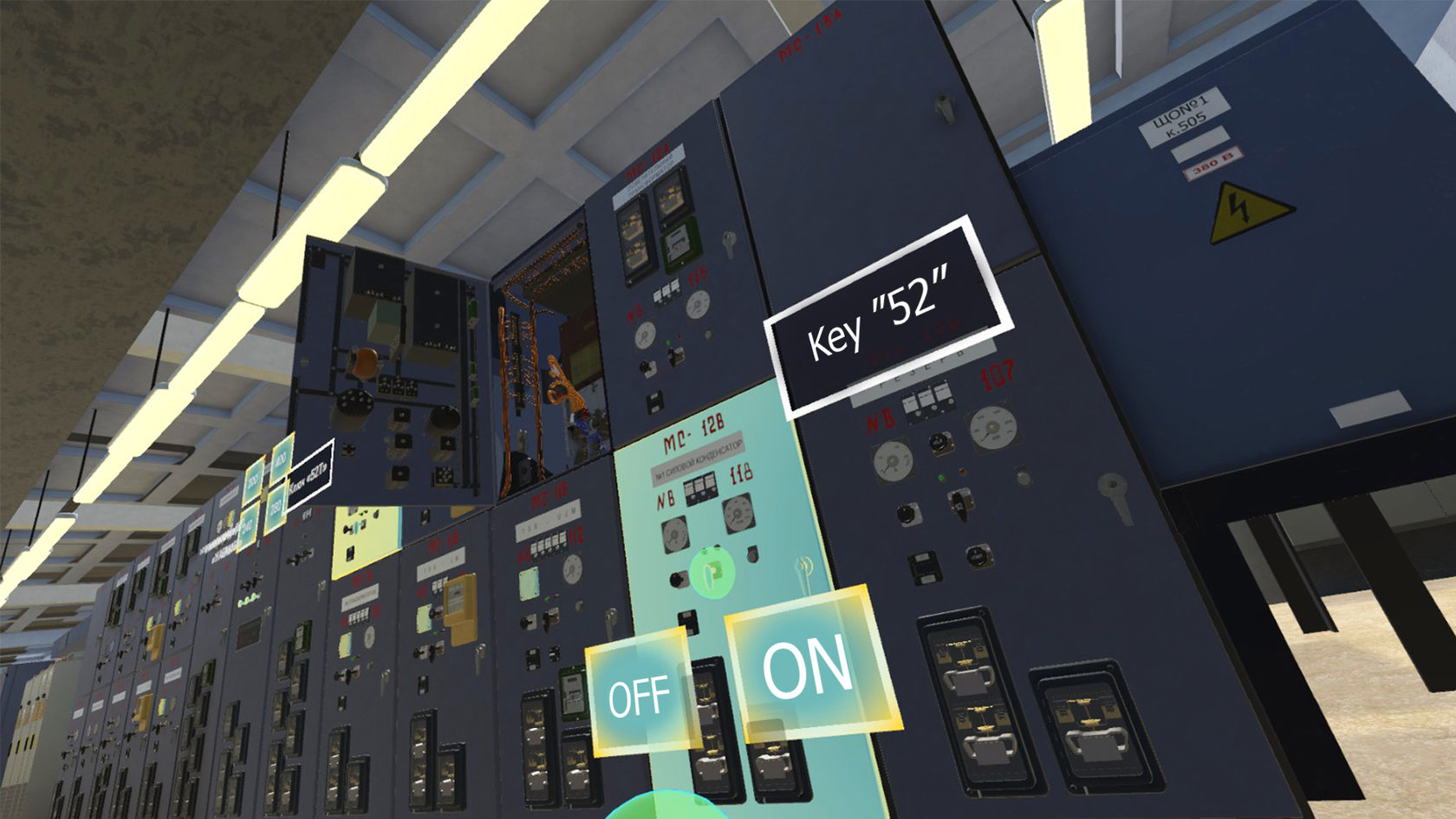
Virtual reality provides the simulation of training scenarios that are hard or impossible to recreate in real life, such as power line accidents or high-voltage operations. Today, advanced manufacturers, including water treatment companies, actively adopt such solutions.

In the course of training, personnel can practice the scenario-based operation of water treatment equipment with visualization of all possible error consequences, and then pass an exam and start performing their duties right away. Such trainings reveal employee reactions to any emergency or tricky situations when the test doesn’t follow the usual scenario. The test results are always available for the employee’s supervisor.

Moreover, a full-fledged VR simulator is a cost-effective solution that will be five times less expensive than creating its physical analog. VR simulator is easier to scale. It can be flexibly adapted to the ever-changing infrastructure and equipment of water treatment facility compared to physical simulators, which quickly become outdated and take a lot of time and effort to be updated.

VR training details

VR training includes a hardware and software suite of interactive visualization tools with a set of training, hands-on, and testing scenarios. A virtual workplace simulates the real environment and equipment, while training scenarios represent routine and emergency procedures.

Training participants/roles:

  • Trainer. A trainer uses a training module to add users, assign training topics and testing, manage scenarios, and generate statistics on training results.
  • Trainee. A trainee uses a VR simulator to practice routine procedures and take tests. However, trainees also can practice hands-on skills without a mentor at any time.
  • Supervisor. A supervisor receives training or testing results in the form of an Excel spreadsheet report and video records of the completed session.

You can also track the specific metrics to evaluate the session’s or whole course’s effectiveness – detailed statistics show each employee’s retained knowledge and preparedness to work:

  • Time to complete a training scenario. The time begins once the VR simulator is started, and stops, when a training scenario is completed. You can track how the learning pace of your personnel changes over time.
  • Task fulfillment accuracy. This shows the percentage of actions performed correctly in training scenarios. You can track how the level and quality of personnel training change over time.
  • The number of trainees per month. This shows how the number of personnel trained to perform the work changes over time.

What do you get in VR training format?

Spoiler: almost anything!

The training complex for the water treatment plant includes:

  • Interactive maps of production areas with integrated training scenarios. We recreate not only rooms of your facility, but also the exterior premises with realistic interactive equipment.
  • Training simulator for operating personnel based on the plant’s mathematical model (for example, a copy of the plant automated process control system).
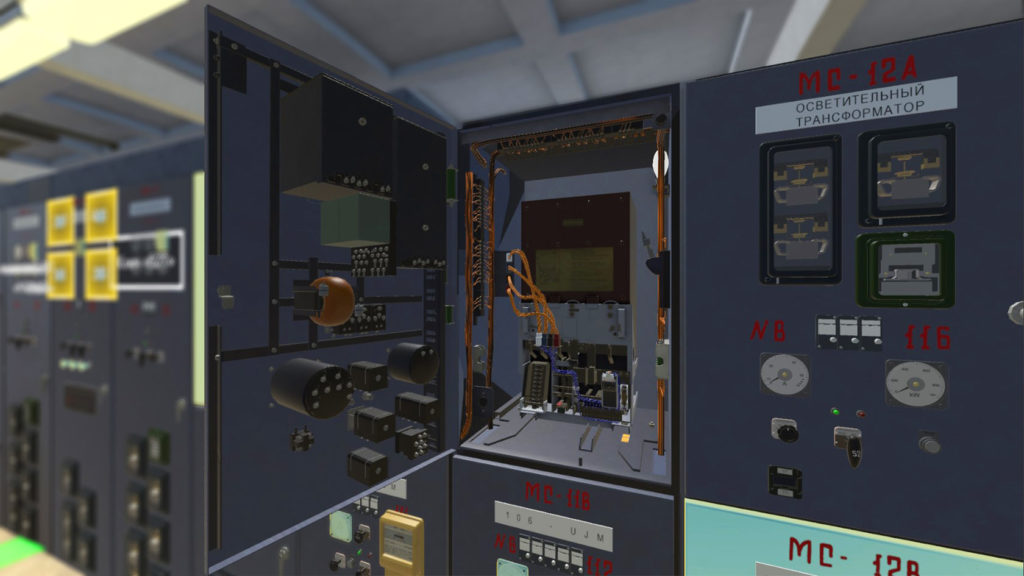
  • VR training simulator for maintenance personnel to train their repair and maintenance skills on requested equipment: decanter centrifuges, thermal dryers, solar dryers. Our team of qualified analysts and developers with experience in implementing VR simulators for industrial enterprises has all the required experience to recreate any equipment in VR (electrical safety, water treatment, health and safety, metallurgy, and more).
  • VR simulator to practice any emergency drills: fire, flood, blackout, high altitude, explosives, high-pressure works, high voltage. Test your employees’ reactions and skills!

User and business benefits

  • Faster and better personnel training. Continuous personnel training and qualification testing
  • Less human errors. Practicing skills in standard and emergency situations
  • Reduced risk of injuries and equipment damage. Increased awareness when operating real equipment

NNTC creates a product that really adds value: we identify business needs, design architecture, develop a simulator, scale it, and embed it in a business process. Are you interested in such VR training for your company? Contact us!

Read more

Hologram table to boost your real estate sales. VR and AR magic, at your service!

How to sell products in a world where most people protect themselves against excessive information? Hologram table is the answer.

Have you ever heard of clip thinking? It is a wonderful ability of our brain to catch the most important, bright, and valuable information from the boundless ocean of data surrounding us. Fortunately, most modern people have exactly this type of thinking. We are good at memorizing new and unusual patterns, while monotonous information is not retained for long.

How to prove that your offer is something that deserves to be retained in other people’s memory? The solution does exist. I’m telling you about virtual and augmented reality — innovative technologies, which involve customers in the demonstration process and make them active participants.

Hologram table for real estate companies

Any sales manager knows about the “wow-effect” but few have ever seen how it works. It is difficult to surprise customers now since they are educated, knowledgeable and familiar with the newest products.

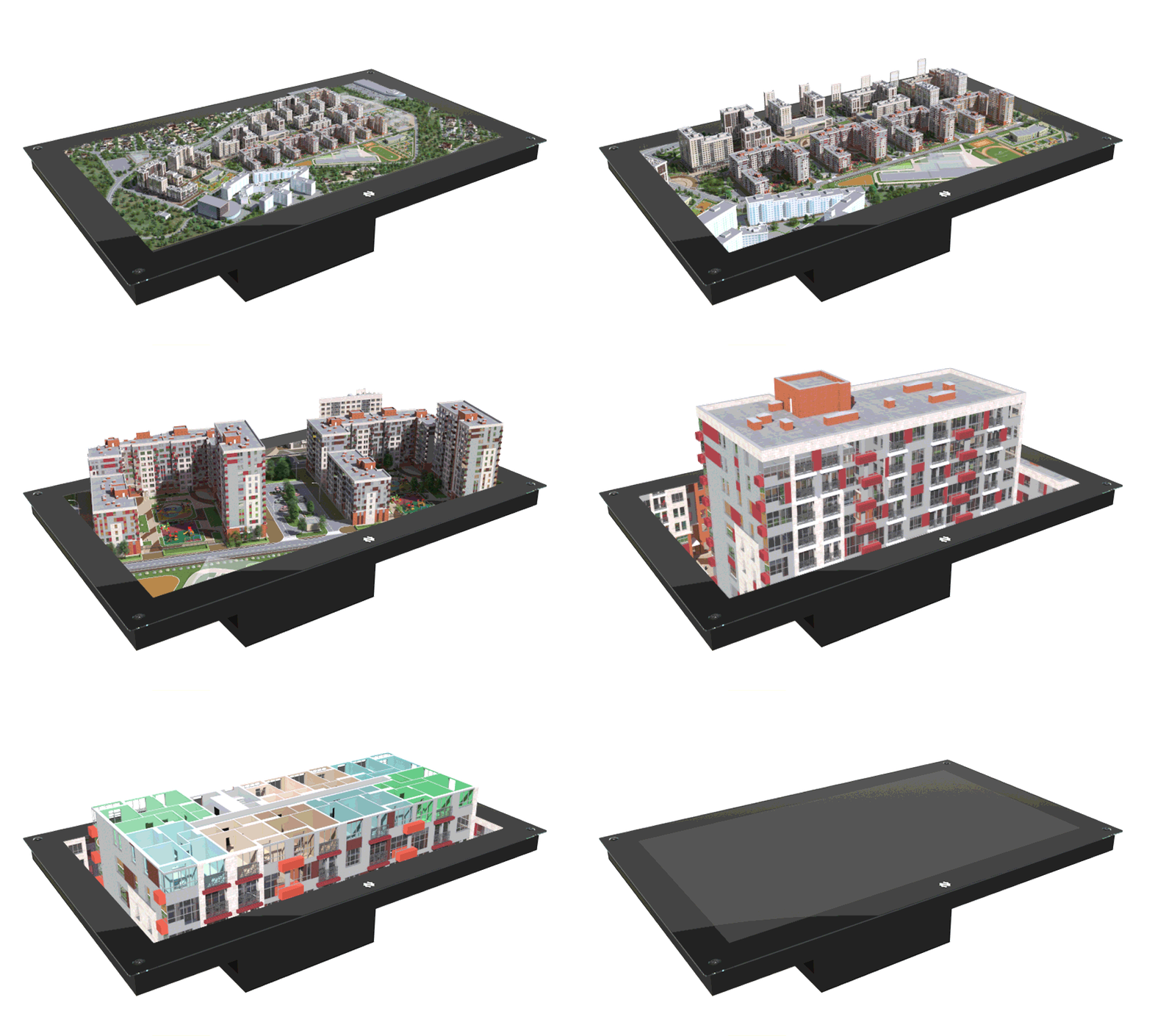
However, there are innovative solutions that entered the market not long ago and haven’t become trite yet, such as hologram tables showcasing detailed 3D models of buildings or entire residential clusters. Interactive 3D models can help increase the potential of any building presentation and attract your audience during exhibition or client meetings.

This technology helps focus on detail: rotate, zoom in or out, ‘take off’ the roof and look at floor and room layouts, see how future residents will park their cars in the underground parking lot, and enjoy a bird’s-eye view of their entire district!

Why do clients enjoy presentations with hologram table?

Unlike traditional mock-ups, a hologram table speeds up a consultation by up to 10-30 minutes and gets 89.3% of positive reviews after the demonstration! We at NNTC can understand people who are lining up to try hologram table during exhibitions: we show presentations and videos a lot, but nothing compares to real experience when you walk around the hologram table and see a 3D building rotating with you.

While moving around the table, the patented system of high-speed cameras tracks the position of the user and renders the image to give a 3D view of the building from the right angle. This is a new customer experience, it provides a realistic view for people that have no time to go on-site, and, finally, it’s cheaper: you have one hologram table as a device with an unlimited number of models that can be installed. You can upload your own catalog of different objects: from a small house to a big five-star hotel.

The solution can display designs of any scale, from a single facility to the entire district, making it possible to zoom in and out various structures and cover much more project details during the presentation.

Are you interested in this solution? Contact us and we will share additional details!

Read more

3D models for production sites and how useful they can be

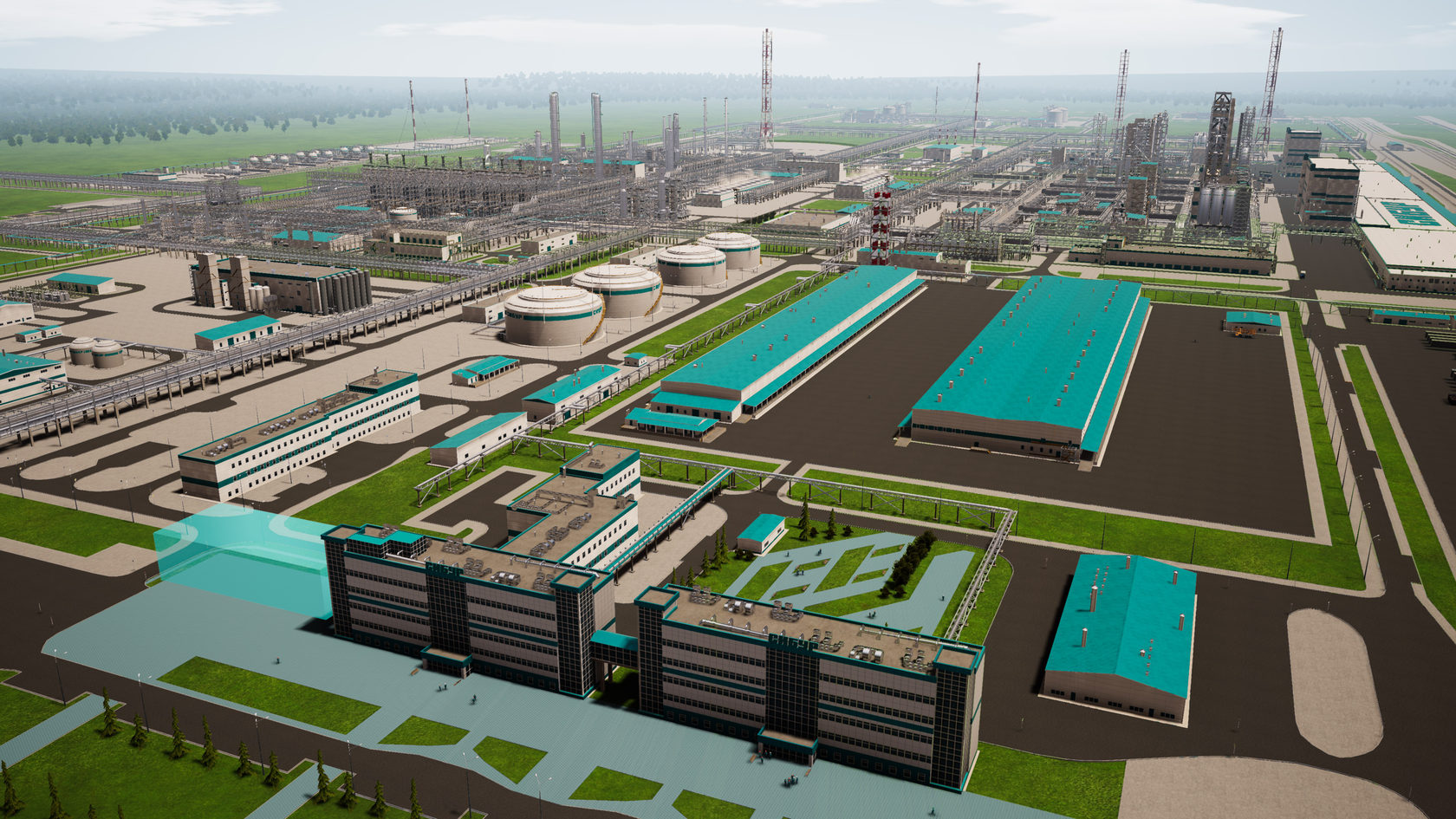
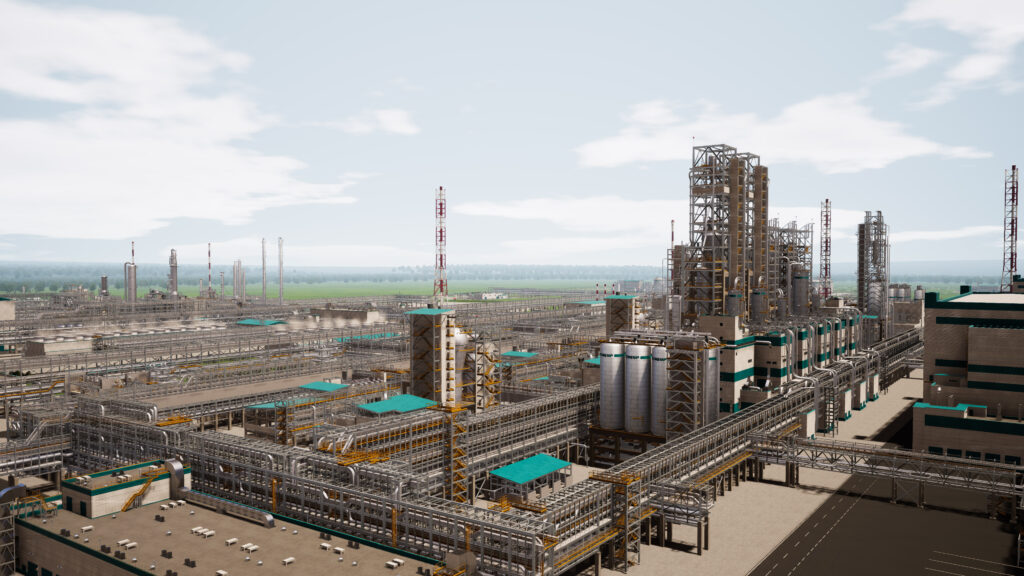
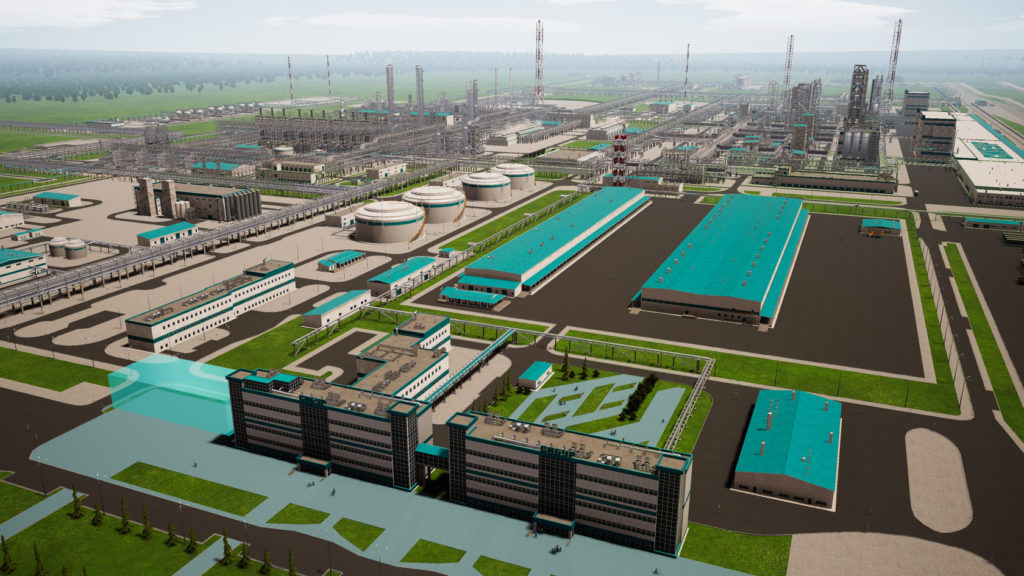
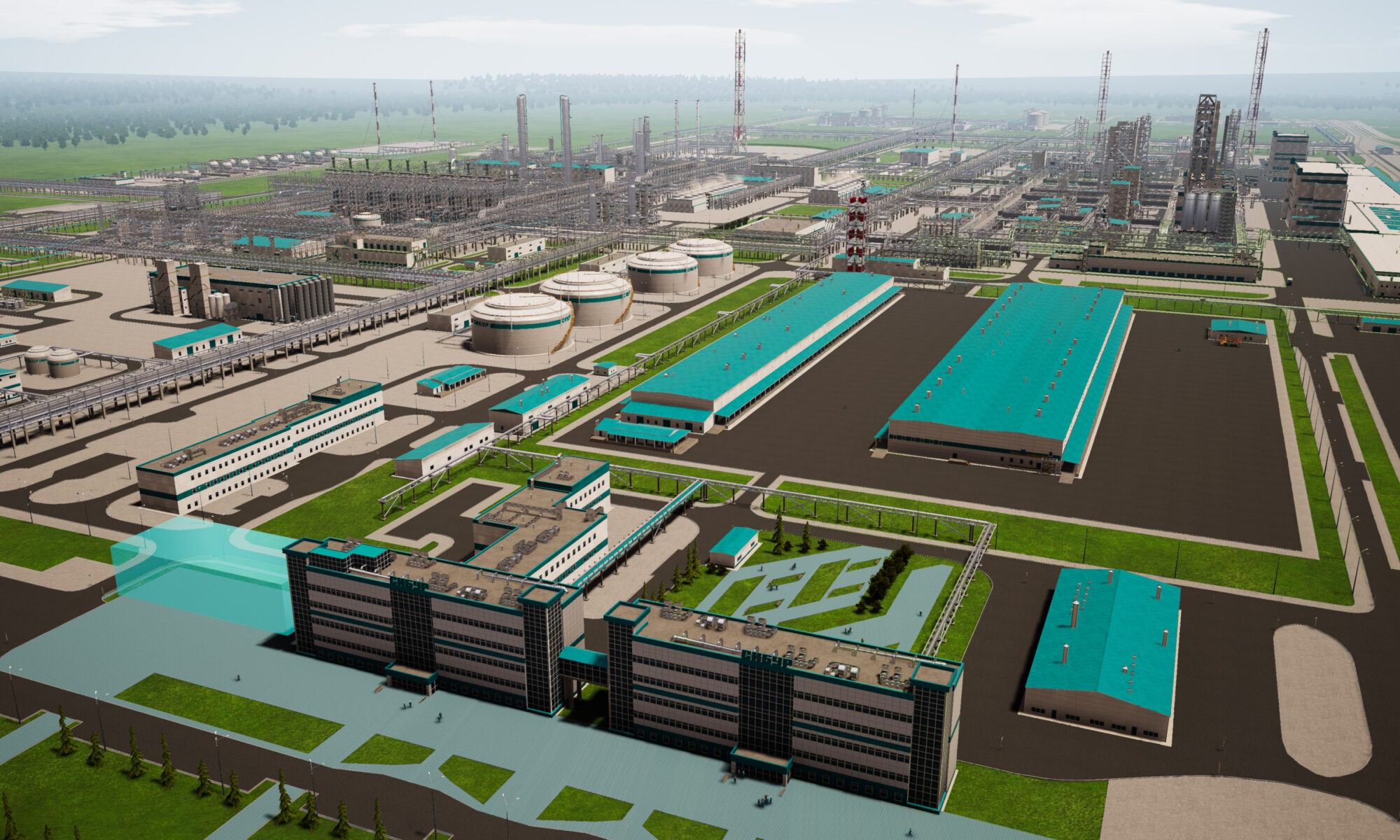
Oil and petrochemical refineries are rather complex sophisticated facilities demanding accurate management and proper maintenance. In this case, 3D models for production sites – an exact digital twin of a building – are created to help maintenance staff quickly reach a certain location, thus making their life easier.

Just one 3D model can replace tons of accompanying documents and dozens of conventional mock-ups.

  • Even the most accurate and well-crafted, mock-ups are of offline nature and provide general building details only. Instead, a 3D model is interactive and allows you to zoom in, turn around and remember any particular section.
  • Such a 3D model is an effective learning material, as clicking and travelling through it is more of an adventure than trying to handle a mock-up.
  • A 3D model is a HSE manual displaying hard-hats-on locations and places to avoid (even if you’re wearing a genius hard hat). Newcomers find interactive maps and routes more helpful in memorizing the object structure, compared to dull paper layouts.

On top of that, 3D models for production sites are less expensive to maintain (compared to a mock-up) and easy to move (a simple flash drive will suffice) and update with new data layers. Unlike mock-ups, a 3D model supports collaboration.

3D models for production sites

How to use 3D models for production sites?

In addition to replacing excessive documentation, a 3D model works as a simulator for employees to pass some internal assessment. Moreover, you can upload complete technical specifications of nodes over the model, so that employees could brush up the assignments and plan their activities before its shift.

Another trend is virtual tours for inspection authorities and stakeholders. One of our customers implemented a role-based model where users are granted different access rights depending on the assigned role. For example, some users can observe the entire model, including specifications and related details, while others see just equipment exterior and location, with some layers being simply hidden from their eyes. This results in different content for different roles without any chance of unauthorized access.

Read more

VR trainings has proven to boost both learning speed and safety of production facility employees
Industrial companies face similar challenges, which lead to lost profits: high LTIFR, unscheduled equipment downtime, and long-scheduled maintenance. Solutions based on immersive reality (digital models and VR trainings) can solve these problems.

Employee safety and health are top-priority tasks at any industrial enterprise. According to the International Labour Organization, approximately 2.3 million people worldwide die every year because of workplace accidents or occupational diseases, which number is equal to a large city population.

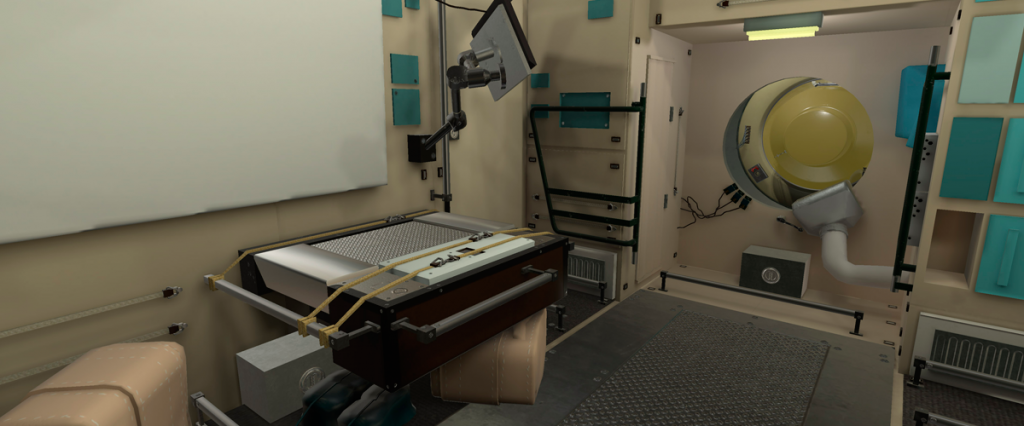
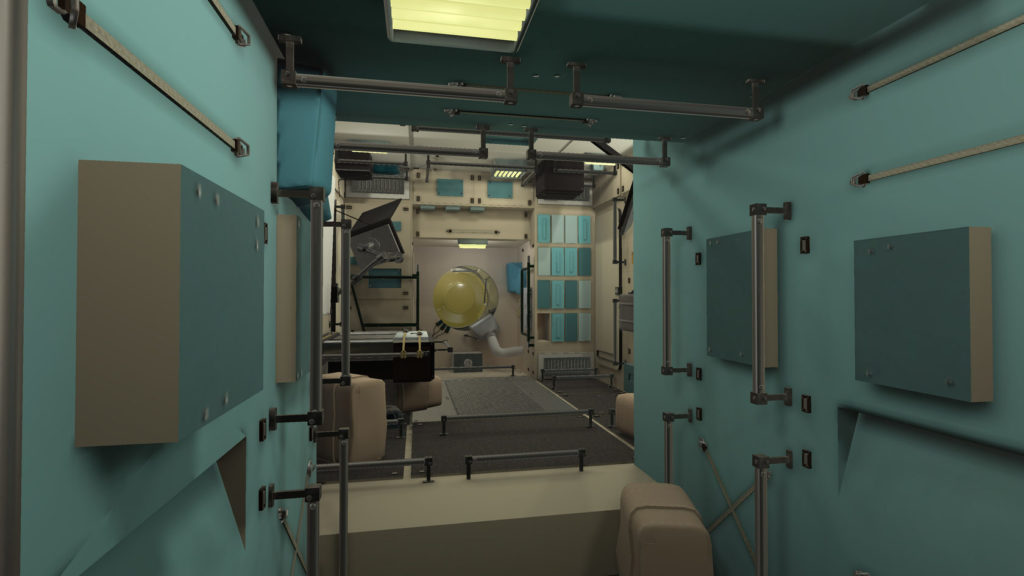
NNTC – Space station VR training

Accidents and work incapacity lead to idle time and equipment downtime, the company’s financial losses, and tarnished reputation. Yet too often, accidents and deaths are caused by employee error, proving that conventional occupational safety trainings are no longer sufficient.

These problems can be solved with training simulators, which visualize technological processes using VR and 3D technology. In addition, VR makes training as effective as that in real life.

  • VR training is a must when it is hard or impossible to simulate an emergency in real life, such as a high-voltage plant operation or fire.
  • VR also help learn how a certain employee will respond and act in an extraordinary situation. For instance, you can run emergency scenarios in any sequence or even in parallel to make a trainee choose what to do to address the emergency.

Facing the facts about VR trainings

PwC recently studied the efficiency of training in VR. Here are the key takeaways:

  • During VR courses, employees can be trained up to four times faster!
  • VR learners are up to 275% more confident to act on what they learned after training—a 40% improvement over classroom and 35% improvement over e-learning.
  • VR learners are 3.75x more emotionally connected to the content than classroom learners.
  • VR learners were up to four times more focused during training than their e-learning peers, and 1.5 times more focused than their classroom peers.
  • VR learning can be more cost-effective at scale.

VR learning will likely be an enabler of a new age of enterprise training and education, delivering a cost-effective, immersive, and efficient soft-skill training experience. But how it’s done?

NNTC – Electric safety VR training

Let’s dive deeper!

Should it be high voltage equipment failure or fire at the production facility, VR trainings help reveal employee reaction to any emergency or sudden obstacles, reproduce tricky situations when an incident doesn’t follow the usual scenario, and, more importantly, enables employees to get prepared to such incidents in advance. For example, the introduction of VR in Ford’s manufacturing process reduced injures by 70%.

NNTC – Digital Twin

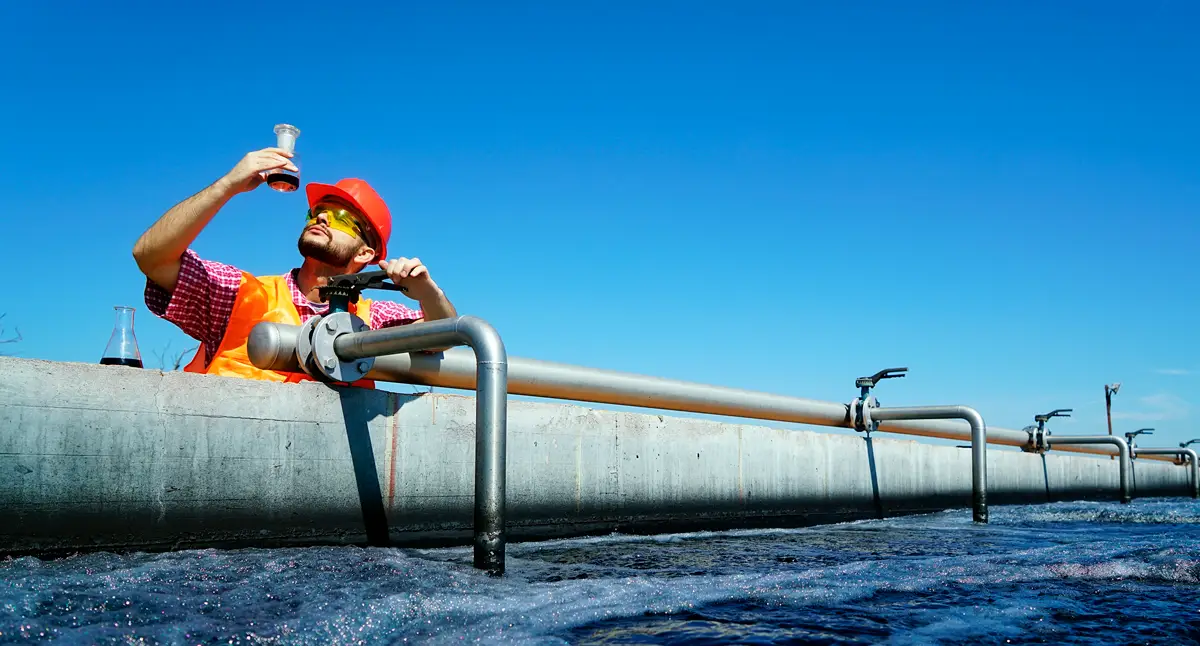
Both highly probable AND catastrophic risks for desalination plants include electric hazards and high-pressure fluids. Any hazardous situation or emergency can be easily reproduced in a computer simulation, with virtual reality technologies being capable of showing almost any content, including even “playback” of past accidents to prevent them in the future. For instance, we have recently helped one company to overcome some of the HSE challenges with the power of smart technology. Plant management was not sure of how well the team can handle emergencies and complex routine maintenance tasks. The cost of error or inaction can be quite high, as you certainly know.

We suggested using an innovative approach to tackle such a challenge: a VR simulation + operator training simulator (OTS). Workers can go through very realistic simulations as often as they need, which builds enough confidence and understanding to mitigate the risks and properly act in an emergency.

How VR trainings work

During such VR trainings, employees obtain necessary knowledge and skills and pass tests in a computer simulation, with the test results being available to the supervisor who thus can speed up onboarding and new knowledge perception through practice.

People get hands-on experience in the equipment whenever they need and simulate all kind of emergencies and maintenance tasks to gain confidence and speed. The consequences of any HSE breach can be reinforced in virtual reality through visual effects, like a full-screen explosion accompanied by bruising, thus impacting the psycho-emotional state of employees to make them more careful in their routine activities.

The benefit for the stakeholders is the transparency of skill assessment. There is a record of VR trainings for each employee – time spent on each particular action, the number of attempts, how often each task is practiced, etc.

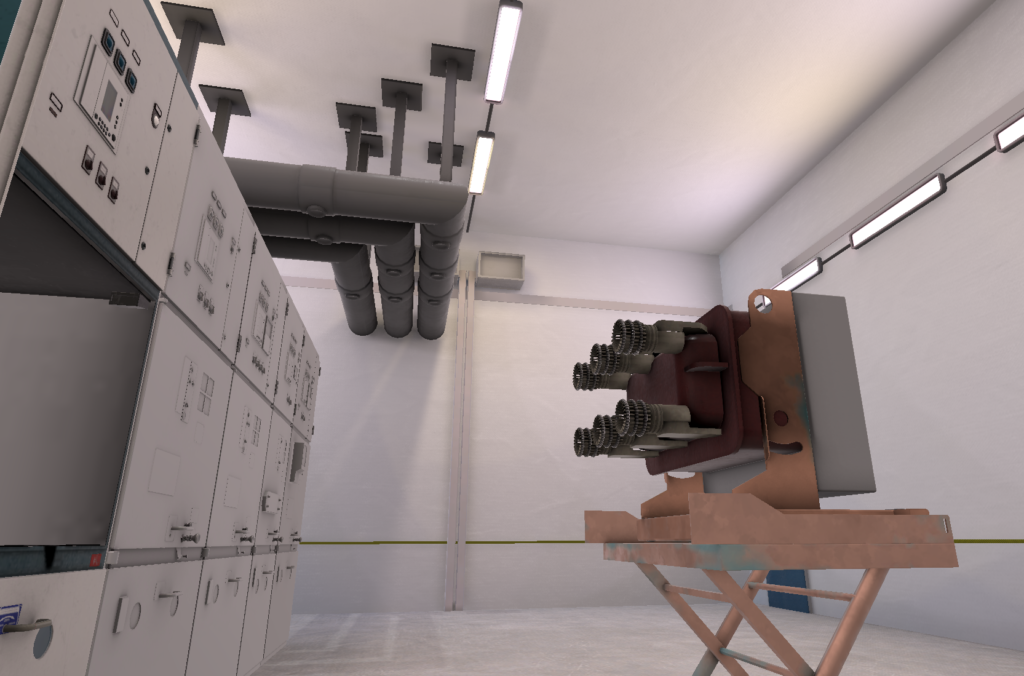
High and medium voltage electrical equipment training is another hugely compelling use case demanded by our multiple customers:

We develop VR trainings because we know they save lives. If you are interested in how VR can be integrated into your organization, please contact us.

Read more

What is a Digital Twin?

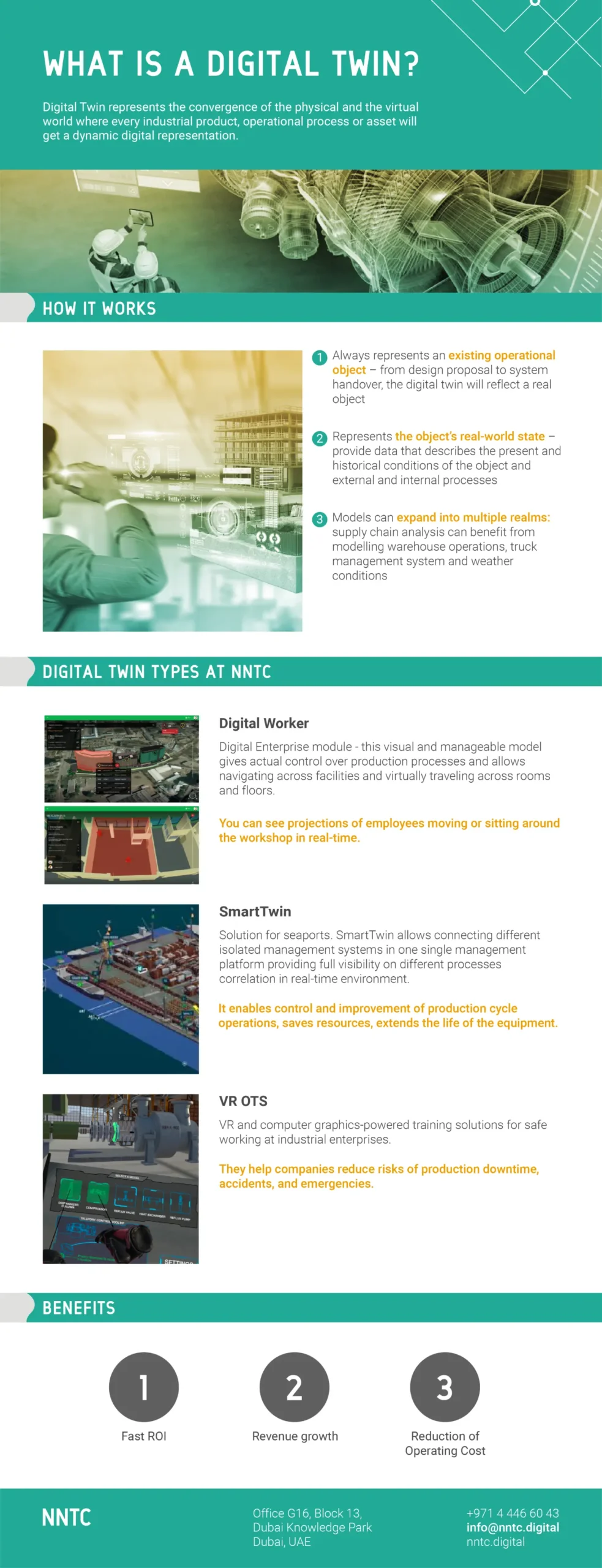
Digital Twin is one of the most exciting business optimization solutions. An exact copy of any building or territory is a set of data, which can be analyzed in real-time. Business processes can be predicted with this solution: from equipment depreciation to the production cycle operations. Read more in our today’s infographic.

Digital Twin integration results:

  • See the best combination of cost of operations\min number of cranes or trucks\min required time
  • Digital Twin improves the efficiency of operations
  • Predicting work completion time, operating hours, downtime
  • Forecasting the machinery utilization, which allows the most efficient movements without queues
  • Assessment of the influence of factors on the machinery downtime, number of accidents, optimal routes, movements of railway/auto trains, distribution of works between cranes
  • Reducing cost for the equipment maintenance
  • Increasing business transparency and manageability

Read more

4IR. How to exploit the Fourth Industrial Revolution

4IR

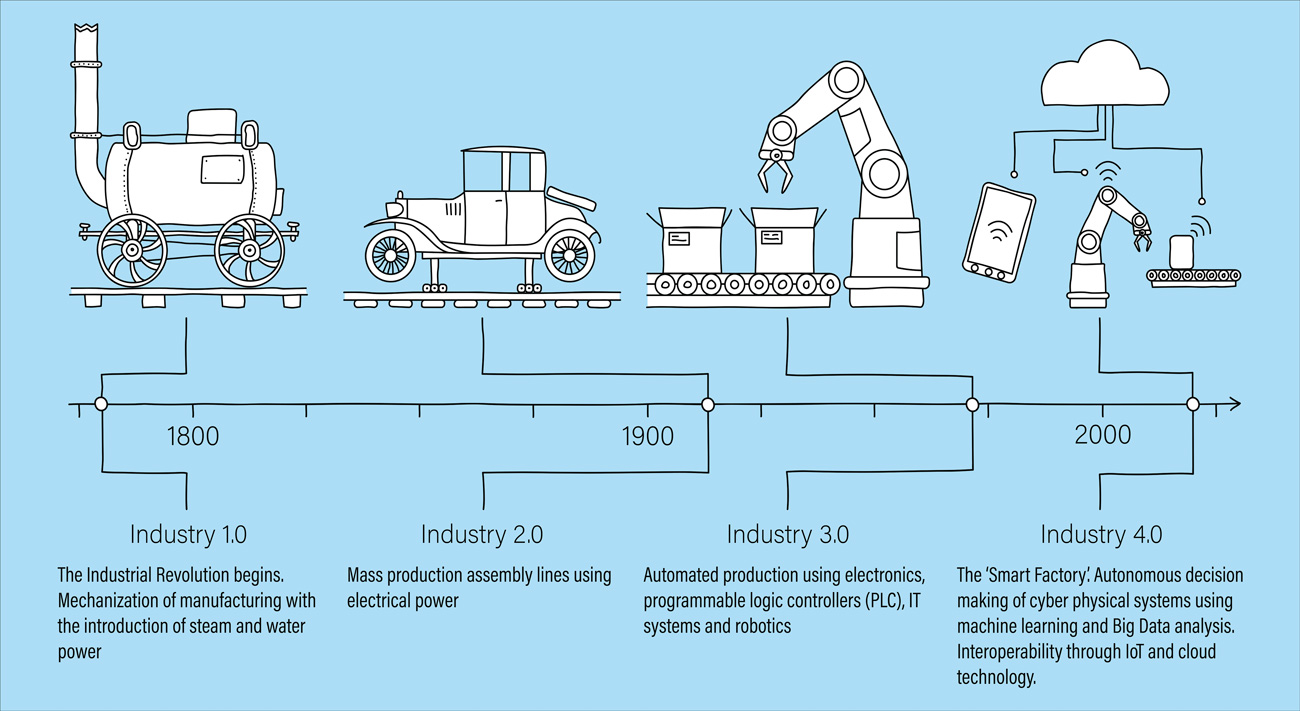
The majority of business leaders (63%) surveyed by PwC claimed that technologies of the Fourth Industrial Revolution (4IR) provide protection against an economic downturn. But how to find your way around this strange and seemingly unmanageable concept? Be brave, and I’ll show you a way in this blog!

What is 4IR?

4IR became a hot topic a few years back when the world realized how technologies impact everyday life and innovations skyrocketed, giving an optimistic view of the future coexistence of humans and machines.

4IR

The Fourth Industrial Revolution is building on the Third, the digital revolution that has been occurring since the middle of the last century. It is characterized by a fusion of technologies that is blurring the lines between the physical, digital, and biological spheres.

said Klaus Schwab, Founder and Executive Chairman, World Economic Forum.

The main idea is that technologies do not replace, but rather gradually complement, humans, becoming a new “tool” in the hands of business. At the moment, businesses need to prepare for 4IR to survive amid the post-pandemic crisis. What’s more, companies that can keep up with the times and gain necessary skills in advance will win the race by leveraging the new tools.

4IR for business survival

Companies successfully deploying 4IR technologies now may actually emerge as stronger competitors during a recovery, and will likely be better prepared for a potential economic downturn in the future. 4IR benefits are evident: increased productivity, efficiency and quality of processes, as well as better staff safety, data-driven decision-making, and increased competitiveness thanks to developing customized products.

According to a recent PwC survey of CFOs, while the COVID-19 crisis has led 70% of companies to cut back or defer planned investments, just 22% said their companies are curbing investments in digital transformation. What does digital transformation actually entail?

Digital transformation means preparing an organization for 4IR solutions and then systematically adopting them in the most optimal way to minimize business risks. In fact, it is an organization-specific process which should be supervised by digital transformation specialists. This very approach will help you harness and exploit 4IR.

Stages of digital transformation:

  • Technology digitalization. Create advanced digital infrastructures and RPA-based systems to collect data and control processes.
  • Production digitalization. This stage requires the creation of a digital platform to collect, store, and process data, use some analytics tools (machine learning, digital twins), and engage production planning and management systems using the same models and data from the digital platform.
  • Digital services and apps. They are created on top of the rest to improve efficiency and performance. Data analytics tools allow for prompt and, ideally, automatic adjustment of production and technological processes, thus eventually raising product quality, reducing its cost, and improving other parameters.

How to start adopting 4IR?

As I already mentioned, each organization goes its own way here; however, there is a standard 4IR checklist.

Process automation. Whether at manufacturing facilities or in the office, process automation is one of the key success factors on the path to 4IR adoption. Process automation may include: RPA-based filling out of documentation, automated Big Data collection for subsequent analysis, automation of routine processes and procedures using artificial intelligence, video analytics, and IoT.

Big Data. All business processes are based on analytics. Indeed, data analytics helps determine a business development vector, predict critical situations, and optimize processes. A full-fledged data collection is only possible when information comes from all business process participants, from the production to the sales office or store.

Vision Zero and concern for people. Another pillar of the 4IR approach is personnel safety and care. Manufacturing enterprises adopt Vision Zero, which significantly improves occupational safety. Thus, VR drills fully immerse personnel in any possible scenarios to train them in dealing with emergencies without any risk, while Digital Worker solutions warn in advance about on-site hazards. There are also solutions to ensure office personnel safety and comfort. For example, BIM tools help adjust environmental conditions in the office, while contactless solutions prevent the spread of infections.

Business optimization. As a rule, the transition to 4IR goes along with certain internal restructuring and business optimization, which is unavoidable after adopting better and more cost-effective solutions that free up specialists time. As a result, companies can spur strategic development and planning or strengthen previously understaffed business units.

Read more

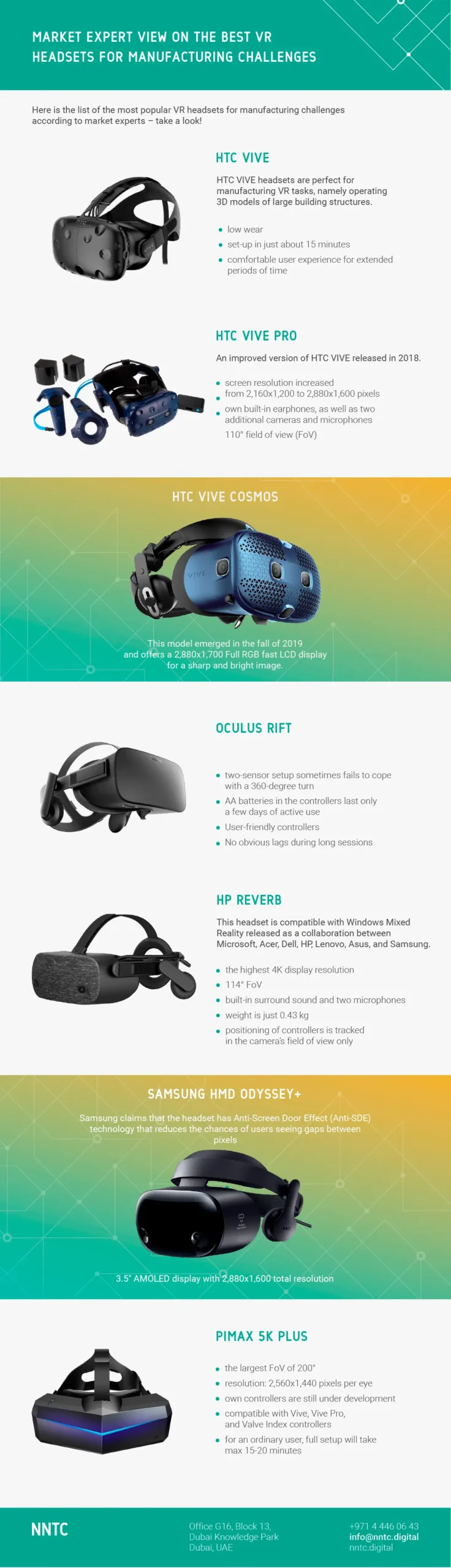
Market expert view on the best VR headsets for manufacturing challenges

Today we have prepared for you a visualization of analytics from market experts about VR headsets comparison. Which VR hardware is best for your needs? The infographics will clearly describe the strengths and weaknesses of the different helmets, so make sure to spot an ideal helmet for VR safety training.

Read more about VR headsets

Building the Hospital of the Future

Hospital-of-the-future

The hospital of the future may look quite different from what we are used to. Rapidly evolving technologies, along with demographic and economic changes, are expected to transform hospitals worldwide. Building the digital hospital of the future requires investments in people, technologies, processes, and premises. Therefore, hospital management should not expect ROI right away. However, in the long run, digital technologies will improve care quality, operational efficiency, and patient and staff experience.

Thank you, doctors!

With the COVID-19 spreading, hospitals worldwide are working at full capacity, and healthcare workers are saving lives every day. We admire and thank those heroes for their commitment and hard work. We wish them to stay strong in this hard time!

Moving towards hospital of the future

There is a range of solutions to improve customer experience and make hospitals more comfortable for patients and personnel. It will become a new normal sooner or later.

Digital experience

Digital solutions improve patient experience by providing real-time access to medical knowledge. The best way for hospitals to establish good relations with their customers is to become open and user friendly. Digital and AI technologies streamline the process of making appointments with doctors and reduce the number of forms patients need to fill out, while analytics, machine learning, IoT solutions, and portable devices analyze patient health condition and suggest treatment procedures to doctors.

Healing and well-being

Wristbands for patients and doctors plus visitor badges with RFID tags ensure appropriate access levels, while CCTV cameras with AI features recognize faces to locate patients who look unwell and need help, and accelerate recovery. Moreover, AI-enabled video analytics solutions can identify threatening situations as, or even before, they occur.

Hospital healing and well-being
Hospital operational efficiency

Hospital operational efficiency

RPA (Robotic Process Automation) solutions automate hospital’s ancillary and back-office services, considerably reducing costs and personnel work effort and improving service reliability; AI systems and electronic health records populated with data from various sources improve decision-making; while cognitive analytics tools sort through and find the most important personalized data points, thus boosting work speed and quality.

Talent development

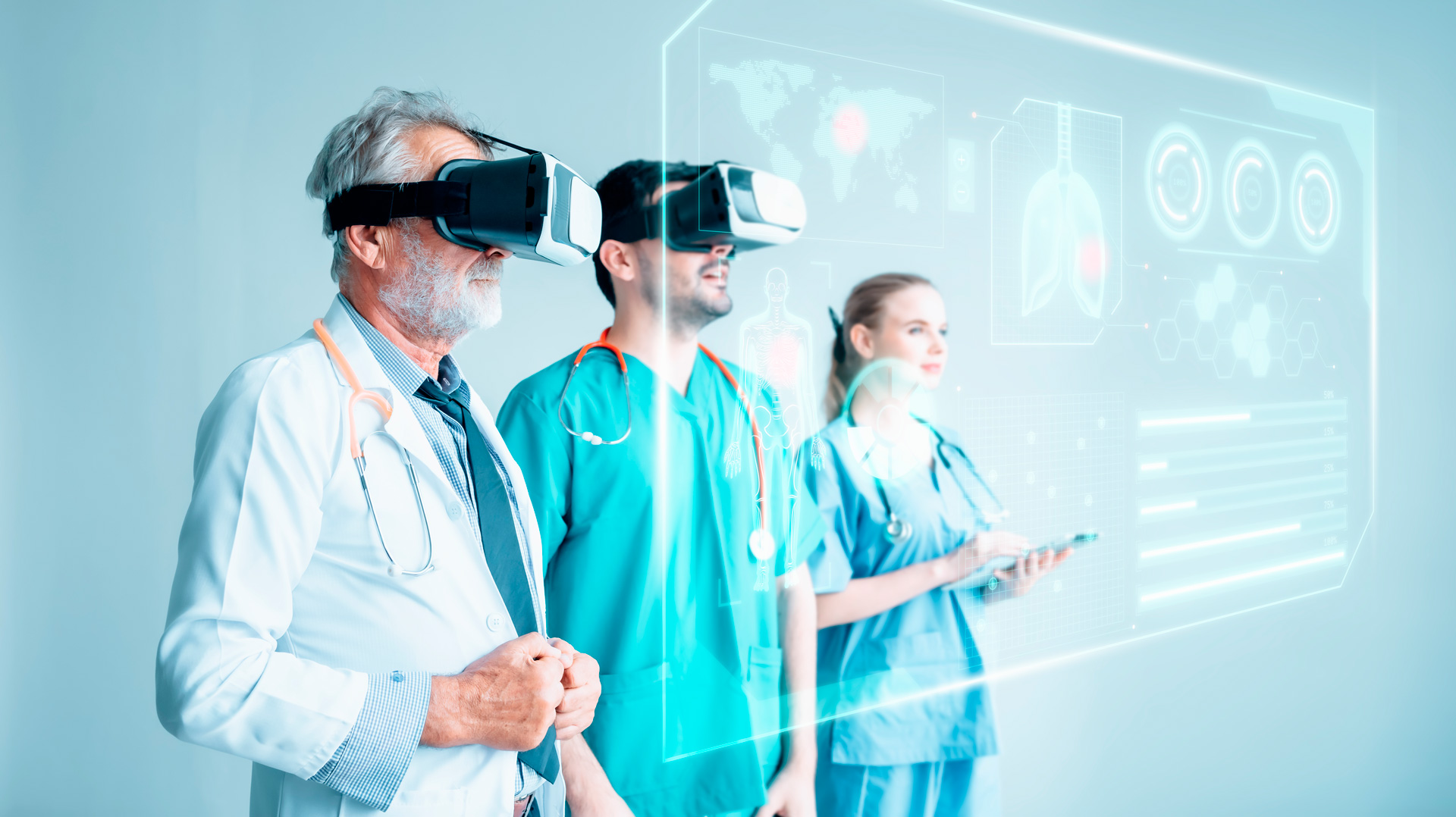
VR solutions help surgeons practice upcoming surgeries, while Learning Management Systems transcend geographical boundaries and reduce costs allowing them to share their surgery footage and specialized expertise with a larger audience of students and colleagues. Cognitive analytics and RPA solutions automate hospital personnel recruitment and study patient information and requirements to match patients with doctors having appropriate competencies.

Hospital talent development

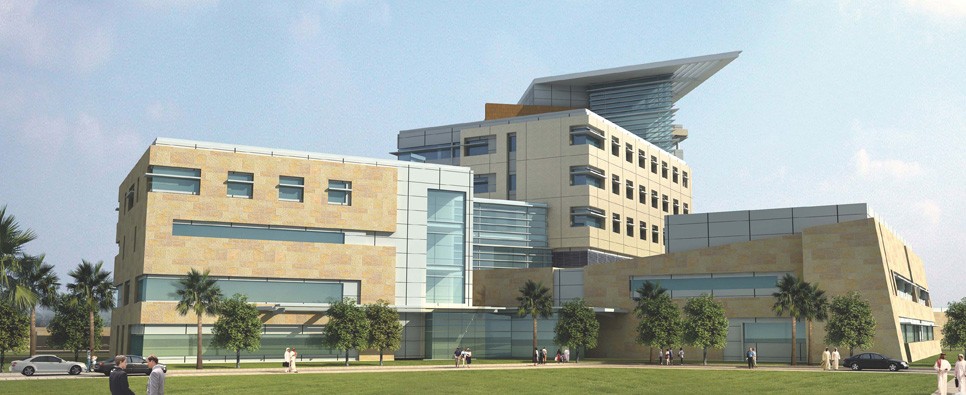
Project: Mohammed Bin Khalifa Cardiac Center

Our team was lucky to take part in the joint project with our strategic partner NGN International (Bahrain). We provided general design, control, and implementation of the end-to-end technology infrastructure for the Mohammed Bin Khalifa Cardiac Center in Manama, Bahrain, under the patronage of His Excellency Lieutenant General Doctor Sheikh Mohammed bin Abdullah Al Khalifa, President of the Supreme Council of Health.

Hospital Mohammed Bin Khalifa Cardiac Center
Mohammed Bin Khalifa Cardiac Center

The Center has a floor space of 172,765 sq.m and one of the fastest-growing IT networks in the world. It uses a sophisticated technology to combine resources of physical and virtual servers and connect the entire work environment to the cloud.

In addition, Vocera Communications smart badges enable effective hands-free information exchange between doctors in real time. Data analysis and business intelligence solutions gather data from all systems of the Center and provide accurate results for better decision-making. Redundant IT systems ensure business continuity during various internal and external emergencies, effective data flow, and data availability anytime, anywhere.

Step by step

The hospital of the future is not built in a day. It requires consistent development and global expansion of innovations. Increasing healthcare investments and concerns about lives and health of patients and medical personnel will make hospitals more and more technologically advanced, which, we believe, will save and improve people’s lives.

Read more